FAQ
Blog&News

Picosecond Laser: The Precision Solution for Pigmentation, Scars, and Skin Rejuvenation

2026-02-12
1. What Is a Picosecond Laser?
A picosecond is one trillionth of a second (10⁻¹² seconds). Picosecond lasers emit light pulses of this extremely short duration, which sets them apart from conventional nanosecond lasers (10⁻⁹ seconds). The ultra-fast energy delivery creates a powerful photoacoustic (or photomechanical) shockwave that shatters pigment particles and tattoo ink into microscopic dust-like fragments, rather than relying on heat to burn them away. Because the pulse is so brief, thermal diffusion to surrounding tissues is minimized, resulting in less pain, lower risk of burns or post-inflammatory hyperpigmentation (PIH), and faster recovery.
In contrast, traditional Q-switched nanosecond lasers still generate significant heat, which can cause collateral damage to adjacent healthy skin cells, leading to prolonged redness, swelling, and a higher chance of scarring or pigment changes, especially in darker skin types (Fitzpatrick IV–VI).

2. How Does Picosecond Laser Work on the Skin?
The mechanism involves two main processes working synergistically:
2.1 Photoacoustic Effect
When the ultra-short pulse strikes a target chromophore (such as melanin or tattoo ink), the particle rapidly expands and contracts. This generates a powerful acoustic shockwave that mechanically fractures the particle into tiny fragments. The resulting debris is then naturally eliminated by the body’s immune system (macrophages). This effect is so strong that it can break down even stubborn blue and green tattoo inks, which are notoriously difficult to treat with nanosecond lasers.
2.2 Laser-Induced Optical Breakdown (LIOB)
In fractional mode, the picosecond laser focuses energy into microscopic beams, creating tiny cavitation bubbles within the dermis without damaging the skin surface. These bubbles, known as laser-induced optical breakdown (LIOB) zones, trigger a controlled wound-healing response. Fibroblasts are activated, leading to neocollagenesis (new collagen formation) and increased elastin production. This process gradually improves skin texture, reduces fine lines and pore size, and lifts atrophic acne scars.
2.3 Synergistic Benefits
Unlike ablative lasers that vaporize the skin surface, picosecond lasers leave the epidermis intact. This means no open wounds, minimal bleeding, and a very low risk of infection. The dual action of pigment destruction and dermal remodeling makes picosecond technology a versatile tool for both pigmentary and textural skin concerns.
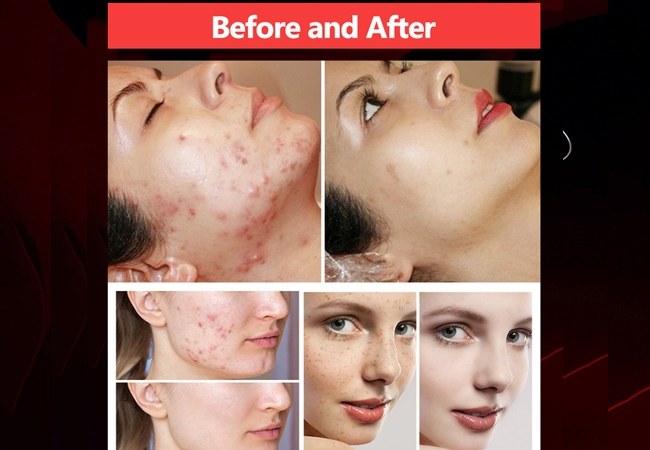
Picosecond Treatment: Before and After

3. Key Clinical Applications
3.1 Tattoo Removal
Picosecond lasers are considered the gold standard for tattoo removal, especially for multi-colored tattoos. The ultra-short pulses break ink particles into particles 10 to 100 times smaller than those produced by nanosecond lasers. Smaller particles are cleared more efficiently by the lymphatic system, allowing for fewer treatment sessions.
  • Number of sessions: 3–8 (depending on tattoo size, depth, ink colors, and location)
  • Interval: 6–8 weeks
  • Colors that respond best: Black, blue, green, red, orange
  • Common side effects: Temporary whitening (frosting), mild swelling, pinpoint bleeding (rare)
3.2 Pigmentation Disorders (Melasma, Freckles, Sunspots)
Because picosecond lasers rely on mechanical disruption rather than intense heat, they are much safer for darker skin types (Fitzpatrick III–VI) who are prone to PIH. Studies have shown significant improvement in melasma and solar lentigines after 3–5 sessions.
  • Melasma: Particularly challenging to treat due to its mixed epidermal-dermal nature. Fractional picosecond lasers with low fluence settings have shown 50–75% improvement in clinical studies, with low recurrence rates when combined with strict sun protection and topical maintenance therapy.
  • Freckles and sunspots: Often clear in 1–3 sessions with excellent cosmetic outcomes.
  • Post-inflammatory hyperpigmentation (PIH): Can be safely treated with picosecond lasers without exacerbating the condition.
3.3 Acne Scars (Atrophic Scarring)
Fractional picosecond lasers stimulate collagen remodeling in the dermis, gradually lifting depressed scars. Clinical data show an average scar volume reduction of 24–27% after 4–6 sessions. The treatment is non-ablative, meaning the skin surface remains intact, so there is no open wound and healing is quick.
  • Types of scars: Rolling, boxcar, and shallow icepick scars respond best.
  • Combination therapy: Some clinics combine picosecond laser with microneedling or PRP (platelet-rich plasma) for enhanced results.
  • Patient satisfaction: Over 80% of patients report noticeable improvement in scar texture and skin smoothness after completing a full series.
3.4 Skin Rejuvenation (Fine Lines, Wrinkles, Large Pores)
By promoting neocollagenesis and elastin synthesis, picosecond laser improves skin firmness, elasticity, and radiance. Many patients notice smoother texture and reduced pore size within weeks after the first session. The effect continues to improve over several months as collagen rebuilds.
  • Areas commonly treated: Full face, periorbital region (crow’s feet), perioral region (smile lines), neck, and décolletage.
  • Results timeline: Subtle improvement at 2–4 weeks; optimal results at 3–6 months post-treatment.
  • Maintenance: Annual booster sessions are recommended to sustain collagen levels.

Picosecond Treatment: Before and After
4. Fractional vs. Non-Fractional (Flat) Modes
Mode How It Works Best For Downtime
Non-fractional (flat) Full-beam irradiation; treats entire area uniformly Tattoo removal, flat pigmentation (freckles, sunspots) Minimal (hours)
Fractional Divides beam into micro-spots; creates microscopic treatment zones (MTZs) Acne scars, skin rejuvenation, melasma, pores, fine lines 1–3 days
Modern picosecond devices (such as PicoSure with its diffractive lens array, and PicoWay with its holographic fractionated handpiece) allow clinicians to switch between modes easily, tailoring treatment to each patient’s specific condition.

5. Advantages Over Traditional Lasers
Feature Picosecond Laser Traditional Nanosecond Laser
Pulse duration Picoseconds (10⁻¹² s) Nanoseconds (10⁻⁹ s)
Primary mechanism Photoacoustic (shockwave) Photothermal (heat)
Thermal damage Minimal Moderate to high
Risk of PIH Low Higher, especially in dark skin
Downtime Hours to 1–2 days Several days to weeks
Number of sessions Fewer for tattoos & pigmentation More
Comfort Mild snapping sensation More burning/stinging
Suitable for dark skin Yes (Fitzpatrick IV–VI) Cautious; higher risk
Collagen stimulation Strong (via LIOB) Weak to moderate

Picosecond Treatment: Before and After
6. What to Expect During and After Treatment
During the Procedure
  • The skin is thoroughly cleansed, and both the patient and practitioner wear protective eyewear.
  • A topical numbing cream may be applied for sensitive areas or when treating large tattoos. It takes about 20–30 minutes to take effect.
  • The laser handpiece is moved over the target area. Most people describe the sensation as a rubber band snapping against the skin. Pain levels are typically low (2–3 on a 0–10 scale).
  • Session duration: 15–30 minutes for a full face; smaller areas take 5–15 minutes; large tattoos may take 30–45 minutes.
Immediately After the Procedure
  • Mild redness, swelling, or a sunburn-like feeling may occur. This usually resolves within 24–48 hours.
  • For tattoo removal, temporary whitening (frosting) of the treated area is normal and indicates successful pigment fragmentation.
  • Some patients experience tiny scabs or pinpoint crusting, which should not be picked and will fall off naturally within 5–7 days.
Post-Treatment Care (Essential for Optimal Results)
  • Sun protection: Strictly avoid direct sun exposure for at least 4 weeks. Apply a broad-spectrum SPF 30+ (preferably SPF 50) sunscreen every 2–3 hours when outdoors.
  • Gentle cleansing: Use a mild, non-abrasive cleanser. Avoid hot water, scrubs, loofahs, and exfoliating brushes.
  • Moisturize: Keep the treated area hydrated with a fragrance-free, non-comedogenic moisturizer.
  • Avoid irritants: Do not use retinoids (tretinoin, retinol), AHAs/BHAs, vitamin C serums, or any harsh chemical products for 5–7 days.
  • No picking or scratching: Let any crusts or flakes fall off naturally.
  • No heat exposure: Avoid saunas, steam rooms, hot yoga, and intense exercise for 48 hours.
  • Makeup: Mineral makeup can be applied after 24 hours if there is no open wound.
When to Call Your Doctor
  • Severe pain, blistering, or signs of infection (pus, increasing redness, fever)
  • Prolonged redness or swelling lasting more than 5–7 days
  • Unexpected pigment changes (darkening or lightening) that do not resolve

7. Number of Sessions and Maintenance
Condition Typical Sessions Interval Maintenance
Tattoo removal 3–8 6–8 weeks Occasionally annual touch-up
Melasma / pigmentation 3–6 4–6 weeks 1–2 sessions per year
Acne scars 4–6 4–6 weeks As needed (usually annual)
Skin rejuvenation 3–5 4 weeks Annual booster
Freckles / sunspots 1–3 4–6 weeks Rarely needed
Note: Results vary depending on individual healing capacity, skin type, and adherence to post-treatment care.
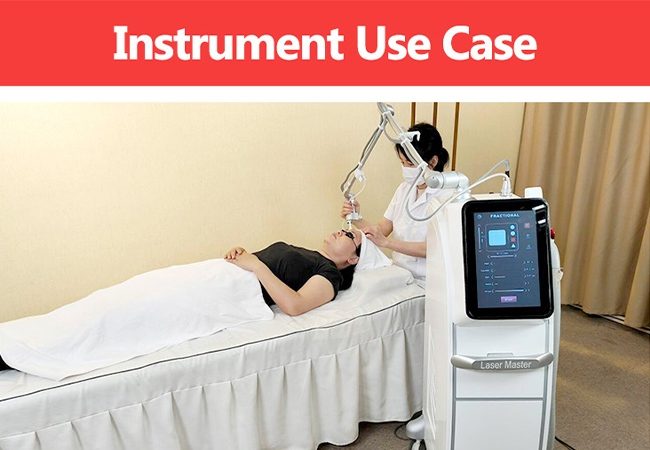
Picosecond Treatment

8. Who Is a Good Candidate?
Picosecond laser is suitable for nearly all skin types (Fitzpatrick I–VI). It is particularly beneficial for:
  • Individuals with stubborn pigmentation (melasma, freckles, sunspots, PIH)
  • Those who want to remove unwanted tattoos without scarring
  • Patients with atrophic acne scars looking for a non-invasive solution
  • Anyone seeking overall skin rejuvenation with minimal downtime
  • People with darker skin tones (Fitzpatrick IV–VI) who are at higher risk of PIH with traditional lasers
Contraindications (Absolute and Relative)
  • Absolute: Pregnancy, breastfeeding (no safety data), active skin infection (herpes, impetigo), open wounds, keloid tendency in the treatment area, photosensitizing medications (e.g., isotretinoin within 6 months, certain antibiotics)
  • Relative: Recent tanning (sun, tanning bed, or self-tanner) – wait at least 2–4 weeks; history of vitiligo or autoimmune diseases; use of gold therapy for arthritis

9. Common Questions and Answers (FAQ)
Q1: Is picosecond laser painful?
A: Most patients describe the sensation as mild to moderate, similar to a rubber band snapping against the skin. Numbing cream can be applied for sensitive areas or large tattoos. Pain levels are typically 2–3 out of 10.
Q2: How many sessions do I need for tattoo removal?
A: It depends on tattoo size, ink colors, depth, and location. Professional tattoos usually require 5–8 sessions, while amateur tattoos may clear in 3–5 sessions. Blue and green inks may need more sessions.
Q3: Can picosecond laser treat melasma permanently?
A: Melasma is a chronic condition that often recurs. Picosecond laser can significantly lighten it, but maintenance treatments and strict sun protection are necessary to prevent relapse. Topical creams (hydroquinone, tranexamic acid, etc.) are often used alongside laser therapy.
Q4: Is it safe for dark skin?
A: Yes. Because picosecond lasers rely on mechanical fragmentation rather than heat, the risk of PIH is much lower compared to nanosecond lasers. Many clinical studies have confirmed safety in Fitzpatrick IV–VI skin types.
Q5: Can I wear makeup after treatment?
A: Mineral makeup can be applied after 24 hours if there are no open wounds or blistering. Always use clean brushes and avoid heavy, oil-based products for the first few days.
Q6: How soon will I see results?
A: For pigmentation, some lightening may be visible immediately after frosting subsides (1–2 days). Full results develop over 3–4 weeks. For collagen stimulation (scars, wrinkles), improvement is gradual and best seen at 3–6 months.
Q7: What is the difference between PicoSure, PicoWay, and Discovery Pico?
A: These are different brands of picosecond lasers. PicoSure uses a 755 nm alexandrite laser with a diffractive lens array. PicoWay uses 532 nm and 1064 nm Nd:YAG with a holographic fractionated handpiece. Discovery Pico also uses dual wavelengths. All are effective; choice depends on the specific condition and skin type.
Picosecond Treatment Results
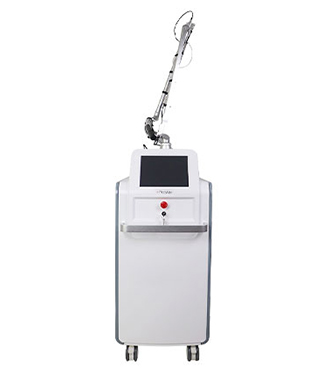
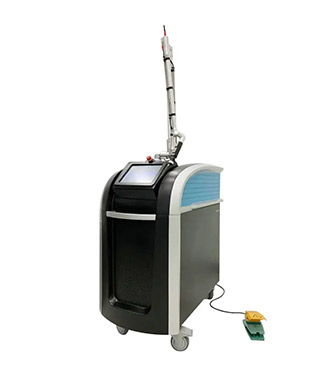
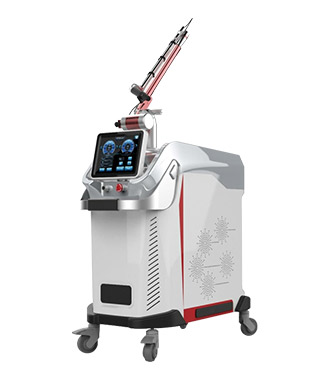
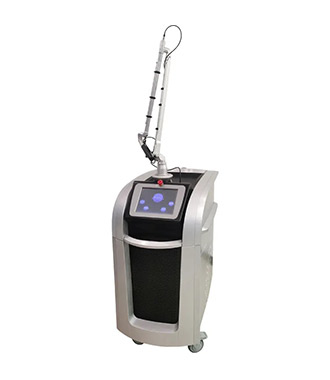
10. Why Choose Our Picosecond Laser Device? – A Revenue Engine for Aesthetic Clinics & Distributors
Are you looking for a high-demand, results-driven, and repeat-booking skin treatment device? Our picosecond laser is engineered specifically for professional clinics and distributors.
10.1 Key Selling Points:
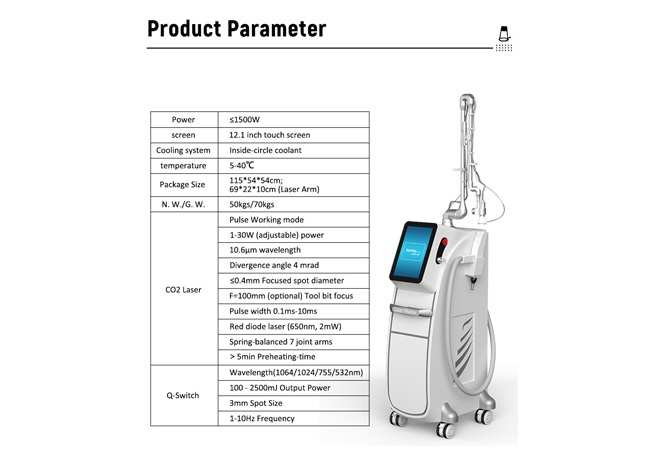
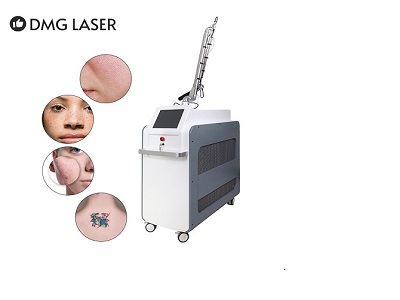
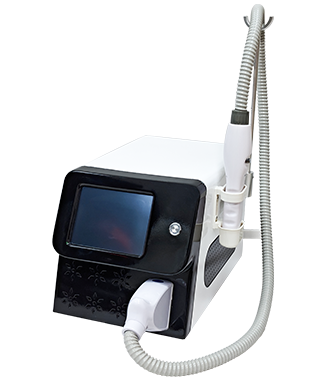
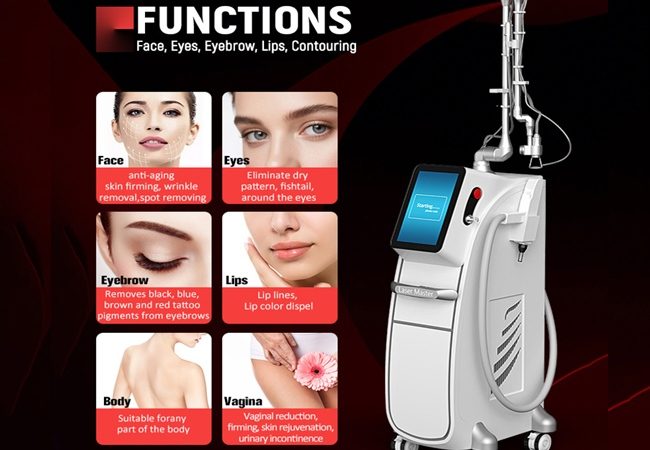
Advanced technology – Dual wavelengths (755 nm alexandrite + 1064 nm Nd:YAG) with diffractive lens array (DLA) and holographic fractional handpiece. One machine covers tattoo removal, pigmentation, acne scars, and skin rejuvenation.
Faster results, fewer sessions – Ultra-short picosecond pulses deliver peak power that shatters stubborn blue/green inks, melasma, and atrophic scars efficiently. Higher patient satisfaction = more referrals.
Safe for all skin types – Photoacoustic mechanism minimizes thermal damage. Extremely low risk of PIH, even on Fitzpatrick IV–VI skin.
Low operating costs – Long handpiece life (tens of thousands of shots), reliable hardware, and fast after-sales support. Maximize your clinic’s profit margin.
Training & marketing support – Full operation training, clinical scripts, before/after photo templates, and ad creatives provided. Launch your pico service quickly and dominate your local market.
10.2 ROI Snapshot:
Single facial rejuvenation session: $300–700. Only 20–30 sessions per month cover the device cost.
Tattoo removal packages (3–8 sessions) secure long-term customer commitment.
A powerful tool to upgrade your clinic into a full-service aesthetic center.
10.3 Why Distributors Love Us:
Factory-direct pricing, attractive margins.
OEM/ODM available – build your own brand.
Exported to 30+ countries, CE & ISO13485 certified.
24/7 technical support and spare parts supply.
Contact us today for device specs, pricing, and real case studies. Stand out in the pico laser revolution!
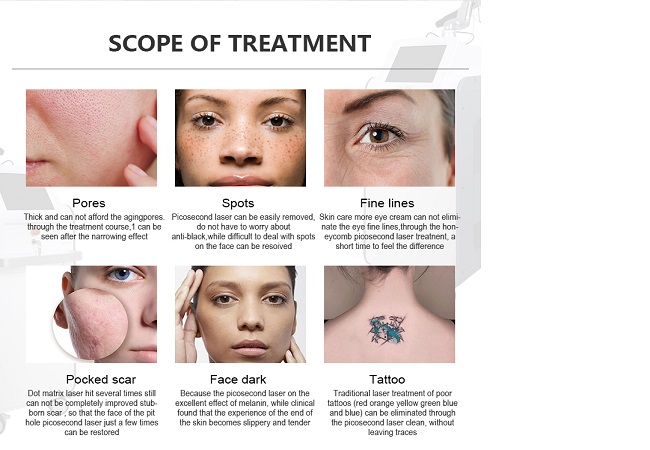
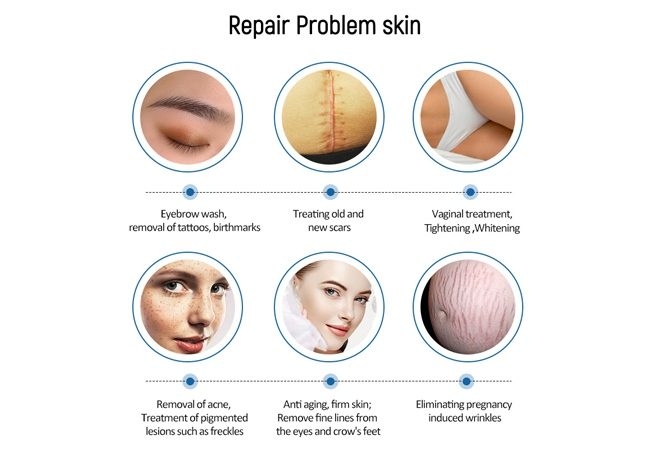
Picosecond Treatment Scope
11. Conclusion
Picosecond laser technology has redefined the standard of care for pigmentation disorders, tattoo removal, acne scars, and skin rejuvenation. By harnessing ultra-short pulses that generate powerful mechanical effects instead of destructive heat, it offers faster results, fewer side effects, and less downtime than traditional lasers. With ongoing technological advances (such as diffractive lens arrays, AI‑assisted energy delivery, and real-time skin cooling), picosecond lasers are becoming more precise, safer, and accessible to a wider range of patients, including those with darker skin tones.
If you are looking for a clinically proven, non-invasive way to achieve clearer, younger-looking skin, picosecond laser is a compelling option. However, always consult a board-certified dermatologist or laser specialist to determine if you are a good candidate and to receive a personalized treatment plan.

 
More news
How can we help?
Get in touch with us today for any service. We will reply you within 2 hours