Beyond the Razor: Why Triple-Wavelength Diode Laser Technology Is the Only Permanent Hair Removal Solution Worth Investing In
2026-08-14
The Problem with Temporary Fixes
For most people, unwanted body hair is not a medical condition—it is a daily inconvenience. It is the extra fifteen minutes in the shower. The razor burn that appears before an important event. The waxing appointment that has to be scheduled around travel. The ingrown hairs that take weeks to resolve.
These are not life-threatening problems. But they are persistent, recurring, and cumulative. Over a lifetime, the average person spends thousands of hours and tens of thousands of dollars on temporary hair removal methods—each one delivering a few days of smooth skin followed by the inevitable regrowth.
The fundamental issue is that shaving, waxing, and depilatory creams address the symptom, not the cause. They remove the visible hair shaft while leaving the follicle intact. The hair grows back because the follicle is still functional. This is not a failure of the method. It is a consequence of the approach.
How Laser Hair Removal Actually Works
The principle behind laser hair removal is straightforward: target the pigment in the hair follicle, convert light energy to heat, and damage the structures responsible for hair growth. This is selective photothermolysis in practice—using a specific wavelength to affect a specific chromophore while leaving surrounding tissue unharmed.
Early laser systems used a single wavelength. They worked well enough on certain skin and hair types but were limited in their applicability. A system that was effective on fair skin with dark hair could not be safely used on darker skin types. A wavelength that penetrated deeply enough to treat coarse hair was less effective on finer hair.
This limitation was not a design flaw. It was a compromise inherent to single-wavelength systems. No single wavelength can optimally treat all combinations of skin tone and hair color. The Multi-Wavelength Solution
The shift to triple-wavelength systems represents a fundamental rethinking of how laser hair removal should work. Instead of forcing a single wavelength to cover all cases, the approach is to match the wavelength to the tissue characteristics of each individual. 755nm: The Superficial Specialist
The 755nm wavelength is absorbed strongly by melanin, making it highly effective for superficial, fine hair on lighter skin types. It is the wavelength of choice for patients with Fitzpatrick skin types I to III who have dark, coarse hair. Its shorter penetration depth means it delivers energy precisely to the hair shaft and bulb without unnecessary deeper spread. 808nm: The Gold Standard
The 808nm wavelength is often described as the workhorse of diode laser hair removal. It strikes the optimal balance between melanin absorption and penetration depth. It is effective across the widest range of skin types and hair textures, which is why it has become the default choice for most clinical applications. 1064nm: The Deep Penetrator
The 1064nm wavelength is specifically designed for darker skin types, where melanin competition in the epidermis is a concern. Its longer wavelength penetrates deeper with less absorption by epidermal melanin, reducing the risk of pigmentation changes while still delivering sufficient energy to the hair follicle.
The Synergistic Effect
When these three wavelengths are integrated into a single system, the practitioner gains a degree of flexibility that single-wavelength systems cannot offer. The same device can be used on a fair-skinned patient with fine, light hair and a darker-skinned patient with coarse, dark hair—simply by selecting the appropriate wavelength and adjusting the energy parameters.
This is not about having more options. It is about having the right option for each patient. In clinical practice, this translates to fewer complications, better outcomes, and broader patient eligibility. What the Clinical Data Shows
Recent clinical studies have demonstrated the efficacy of multi-wavelength diode systems across diverse patient populations. A 2025 clinical study conducted on Fitzpatrick III–V patients using a multi-wavelength diode system (75 5/808/1064nm) showed significant hair reduction after three sessions, with no cases of keloid formation, scarring, or infection. The study also noted that diode and Nd:YAG lasers demonstrate superior hair reduction on darker skin with fewer reported side effects compared to Alexandrite lasers.
For clinics that serve diverse patient populations—which is most clinics—the ability to safely and effectively treat all skin types is not optional. It is essential.
A Complete Treatment Protocol
Successful hair removal is not just about the technology. It is about the entire process, from initial consultation through post-treatment care. Pre-Treatment: Setting the Foundation
The treatment starts before the laser is ever turned on. Patients are instructed to avoid sun exposure and tanning beds for at least two weeks before treatment. They stop waxing and plucking for four to six weeks prior, as the laser requires an intact follicle with active melanin to target effectively. Shaving 12 to 24 hours before the session removes surface hair without disturbing the follicle.
The pre-treatment consultation is not simply a checklist of instructions. It is an opportunity to assess skin type, evaluate hair characteristics, and set appropriate expectations. Patients who understand the process are more likely to comply with pre- and post-treatment requirements and are more satisfied with their results. In-Treatment: Precision and Efficiency
Modern triple-wavelength systems are designed for speed and comfort. The integrated cooling system brings the skin surface temperature down to between -5°C and 5°C, creating an epidermal anesthesia effect that makes the procedure nearly painless.
The large spot size—available in configurations up to 12×35mm—dramatically reduces treatment time. A full leg session can be completed in under 20 minutes. Smaller areas like the upper lip take one to two minutes. This efficiency is not just a convenience for patients. It is a business advantage for clinics, allowing higher patient throughput and more efficient use of clinical time.
Post-Treatment: Protecting the Result
After each session, the skin is in a state of controlled healing. Patients are advised to avoid heat, sun exposure, and irritating skincare products for 24 to 48 hours. Sun protection is mandatory for at least four weeks after treatment to prevent pigmentation changes.
Because hair grows in cycles, multiple sessions are required. The 6 to 8 sessions typically recommended are not a limitation of the technology. They are a consequence of the hair growth cycle. Only hair in the active anagen phase is susceptible to treatment. Subsequent sessions catch new hair as it enters this phase. The Investment Perspective
For clinic owners and distributors, the decision to invest in a triple-wavelength system is a business decision as much as a clinical one. The technology offers several advantages that translate directly to improved profitability:
Broader patient eligibility: Treating all skin types and most hair colors expands the addressable market.
Improved outcomes: Higher clearance rates and fewer complications lead to better patient satisfaction and more referrals.
Operational efficiency: Faster treatment times allow more patients per day.
Reduced consumables: Diode laser systems have zero disposable consumables, keeping operating costs low.
The growth trajectory of the laser hair removal market supports this investment. The portable diode laser hair removal machines segment alone was valued at $463.52 million in 2025 and is projected to reach $793.95 million by 2032. Clinics that invest in advanced multi-wavelength systems are positioning themselves to capture a significant share of this expanding market.
A Practical Note on Device Selection
Not all triple-wavelength systems are the same. The quality of the diode stack, the precision of the cooling system, and the reliability of the energy delivery all vary. When evaluating systems, consider:
Energy output: Professional systems should deliver at least 1200W to ensure effective treatment.
Cooling: Sapphire contact cooling is the current standard for maintaining skin safety at high fluences.
Spot size: Larger spot sizes reduce treatment time and improve clinical efficiency.
Certifications: CE and FDA 510(k) clearance provide assurance of safety and efficacy.
Conclusion
Triple-wavelength diode laser technology represents a significant advance in aesthetic medicine. It offers a permanent solution to a persistent problem, with safety and efficacy across the broadest range of patients.
For clinics, the technology delivers better outcomes, higher patient satisfaction, and improved operational efficiency. For patients, it offers freedom from the cycle of shaving, waxing, and temporary fixes—the confidence of smooth skin without the constant maintenance.
Ready to Offer Permanent Hair Removal with Triple-Wavelength Technology?
If you are a clinic owner, medspa operator, or equipment distributor looking to invest in a professional triple-wavelength diode laser system, we are here to help.
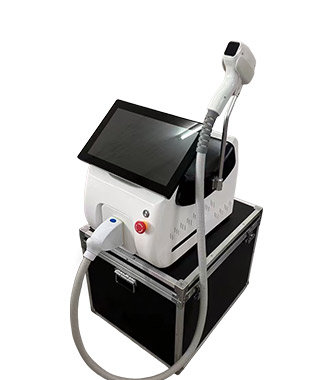
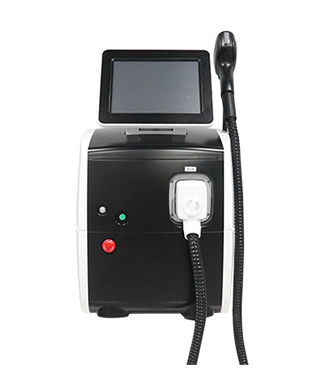
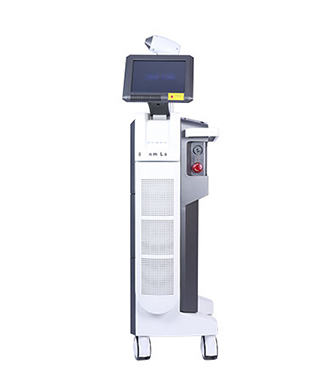
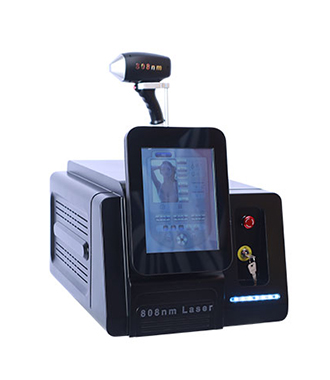
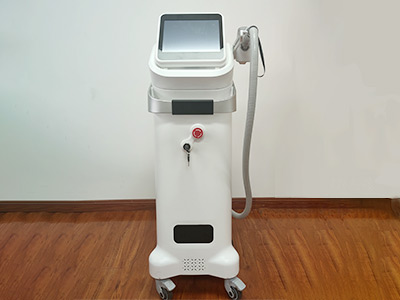
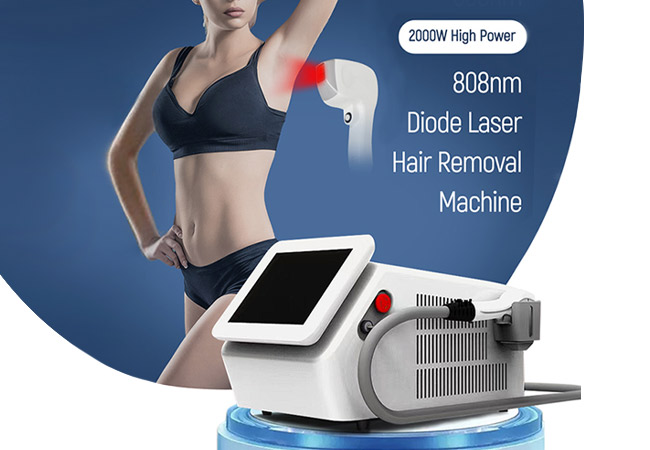
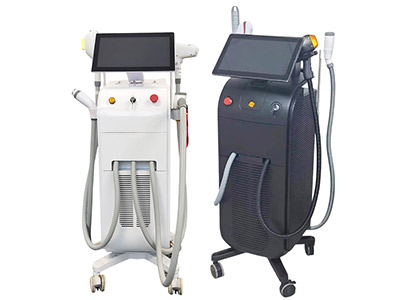
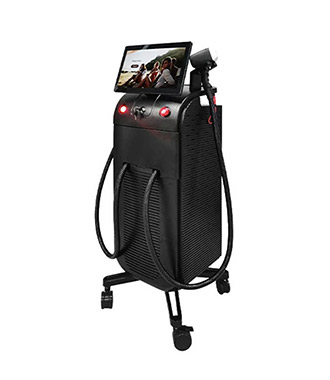
Our Triple-Wavelength 808nm Diode Laser Hair Removal MachineOffer:
755nm, 808nm & 1064nm wavelengths — complete coverage for all Fitzpatrick skin types
Contact us today on Whatsapp: +86 19937136112
Our team is ready to answer your questions, provide product recommendations, and offer a customized quote based on your business needs. Let us help you bring permanent hair removal solutions to your market.

.jpg)


.jpg)
.jpg)