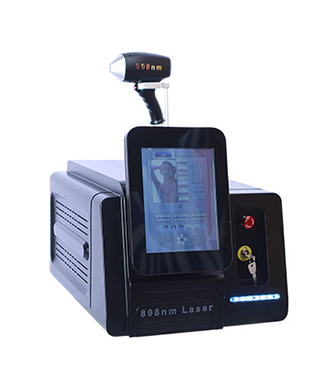
The Evolution of Dual-Platform Lasers: Integrating 808nm Diode and DPL Technology
2026-11-20
Meta Description: An objective look at the integration of 808nm diode and DPL technologies. Explore how dual-platform systems address clinical versatility, patient demographics, and operational efficiency in modern aesthetic clinics. Keywords:808nm diode laser, DPL IPL machine, dual-platform laser, multi-wavelength hair removal, aesthetic clinic technology, clinic equipment management.
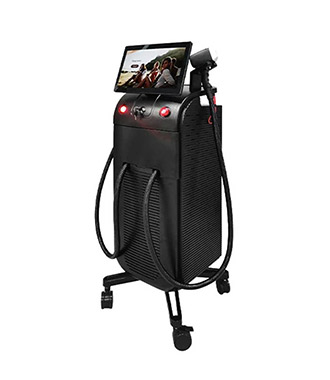
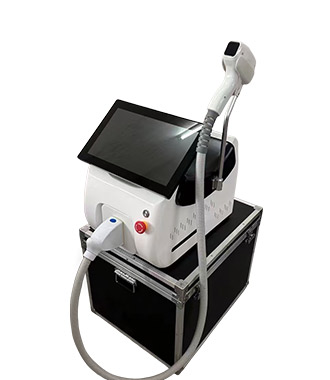
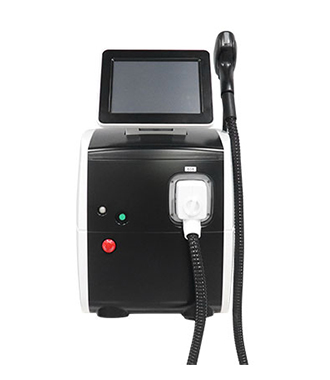
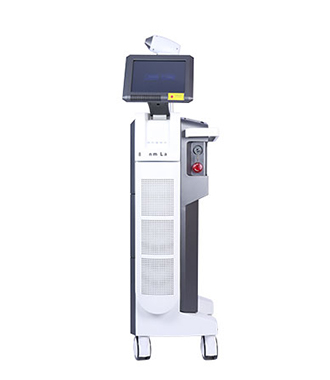
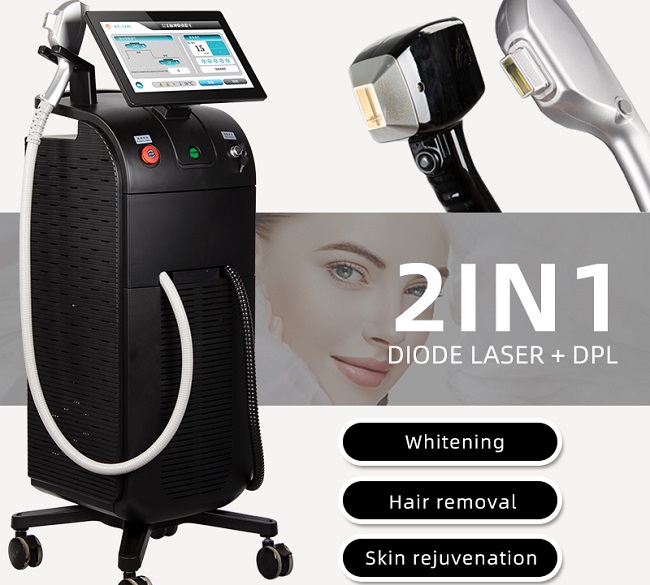
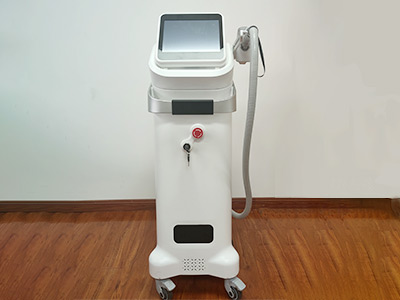
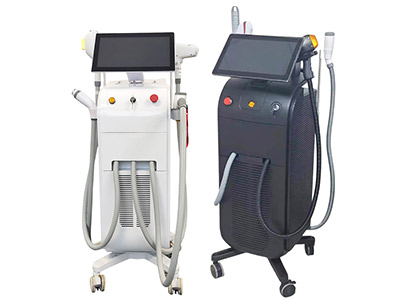
The Challenge of Single-Function Equipment In the clinical aesthetics industry, equipment procurement is always a balance between capital investment and treatment capacity. Historically, clinics faced a clear division: Diode lasers were reserved for hair removal, while IPL (Intense Pulsed Light) or DPL (Dynamic Pulsed Light) systems were dedicated to skin rejuvenation, pigmentation, and vascular treatments. Purchasing and maintaining separate machines for these distinct categories requires significant capital, dedicated treatment room space, and separate staff training. As a result, many practices are exploring dual-platform technologies that consolidate these capabilities. The 2-in-1 Frosted Soprano 808+IPL system represents this consolidation. By housing a multi-wavelength diode laser and a DPL handpiece in a single console, it offers a practical approach to optimizing clinic resources. Here is an objective analysis of its technological and clinical applications.
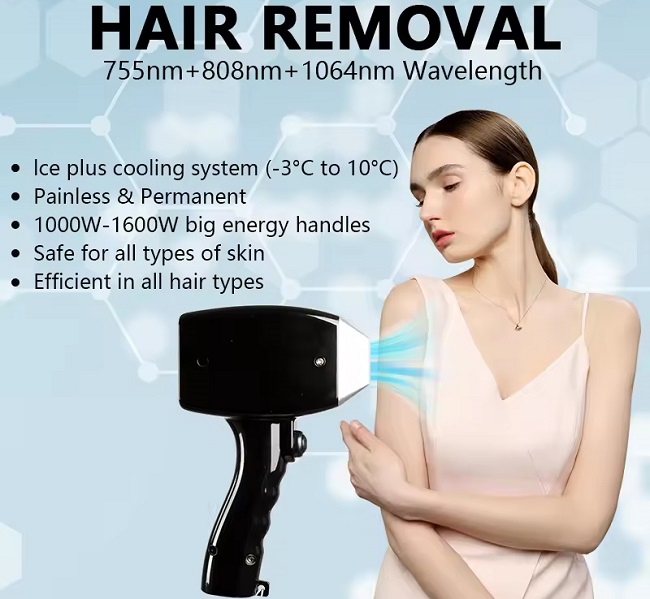
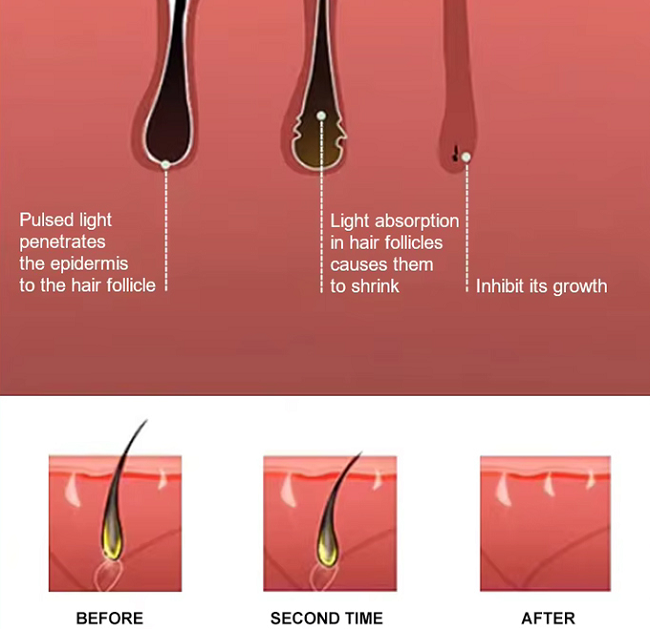
1. The Clinical Scope of Multi-Wavelength Diode Technology For laser hair removal, patient diversity (skin tone and hair type) dictates the choice of wavelength. Relying on a single wavelength often results in limitations regarding who can be safely treated. This system incorporates three distinct wavelengths to address the Fitzpatrick scale:
755nm: Primarily absorbed by superficial melanin, making it highly effective for fine, light-colored hair (e.g., golden or blonde) on lighter skin tones.
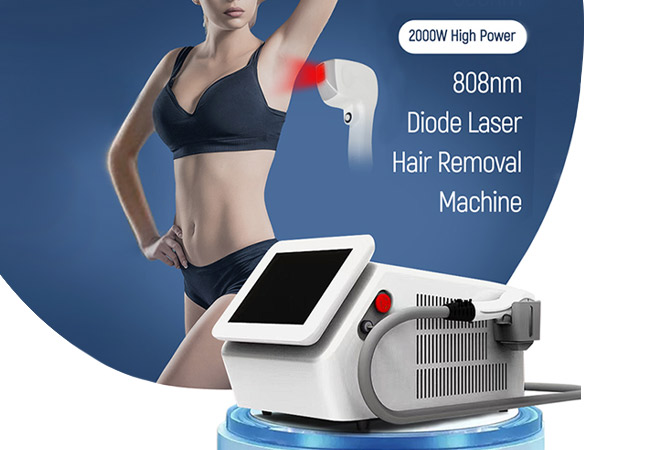
808nm: The established "gold standard" for hair removal. It offers an optimal balance of melanin absorption and tissue penetration, making it suitable for a broad range of skin types and brown/black hair.
1064nm: With the lowest melanin absorption and deepest penetration, this wavelength bypasses the epidermis to target the hair bulb. It is the safest option for Fitzpatrick IV-VI skin types and coarse, dark hair, minimizing the risk of post-inflammatory hyperpigmentation (PIH).
From a clinical perspective, having these three wavelengths in one system allows practitioners to treat a wider demographic safely, rather than referring darker-skinned or tanned patients elsewhere.
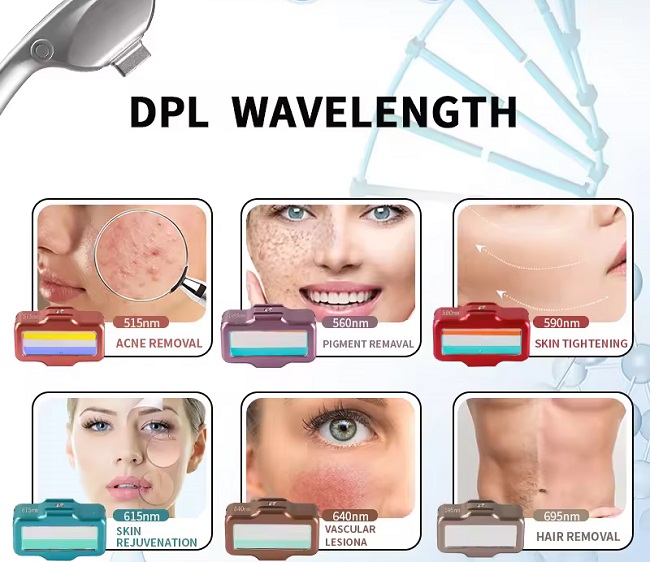
2. DPL Technology for Comprehensive Skin Rejuvenation While the diode handles hair removal, the DPL (Dynamic Pulsed Light) handpiece expands the clinic's ability to treat skin conditions. DPL is essentially an evolution of IPL, utilizing a more uniform energy output and specific bandpass filters. By using different filters, the DPL handpiece can target various chromophores:
560nm: The standard for photo-rejuvenation, addressing sun damage and uneven skin tone.
580nm: Effective for vascular concerns and rosacea.
640nm: Penetrates deeper to stimulate collagen and address skin laxity and fine lines.
This allows clinics to integrate facial anti-aging and acne treatments alongside their body hair removal services, utilizing the same base platform.
3. Operational and Ergonomic Considerations Integrating multiple technologies requires thoughtful engineering to ensure treatments remain practical and comfortable.
Adjustable Spot Sizes: The handpieces feature changeable spot sizes. Larger spots are utilized for broader areas (like legs or back) to reduce treatment time, while smaller spots allow for precision on delicate areas like the upper lip or facial contours.
Cooling and Comfort: The "Frosted Soprano" approach emphasizes patient comfort. The system uses contact cooling to protect the epidermis during high-energy pulses, making the treatment experience more tolerable and reducing the risk of thermal injury.
Resource Optimization: By consolidating two major treatment categories into one machine, clinics can optimize their treatment room square footage and reduce the number of devices requiring maintenance and calibration.
4. Objective Business Assessment From a practice management standpoint, a dual-platform machine offers a clear operational advantage: versatility. When a patient comes in for laser hair removal, the clinic has the immediate opportunity to evaluate their skin health and discuss DPL treatments for pigmentation or rejuvenation. This cross-selling capability is built into the equipment itself. Furthermore, the return on investment (ROI) is generally realized through higher equipment utilization. Instead of a hair removal machine sitting idle when facial treatments are booked, the 2-in-1 system remains in continuous use throughout the day.
Conclusion The integration of 808nm diode and DPL technologies into a single system is a practical response to the evolving needs of aesthetic clinics. It addresses the demand for inclusive hair removal while maintaining the capability to deliver comprehensive skin rejuvenation. For clinics considering equipment upgrades, evaluating the clinical synergy between these two modalities—and how they align with the patient demographic—is essential for long-term operational success. For detailed technical specifications, clinical protocols, or wholesale inquiries regarding this dual-platform system, please contact our team for a consultation.



.jpg)