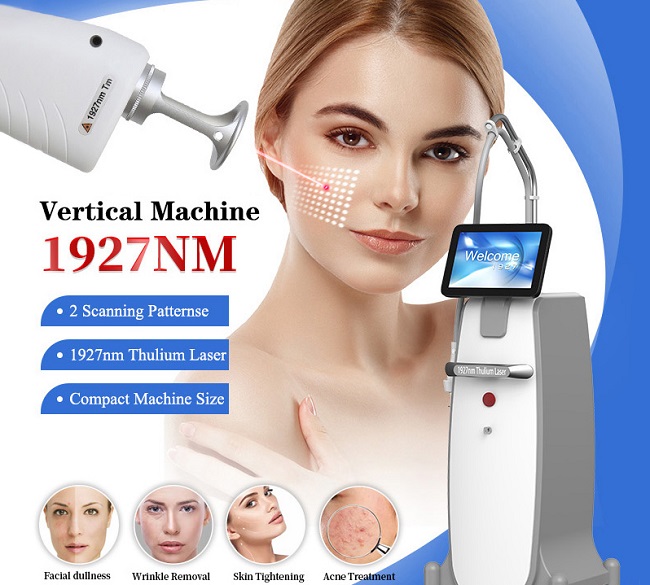
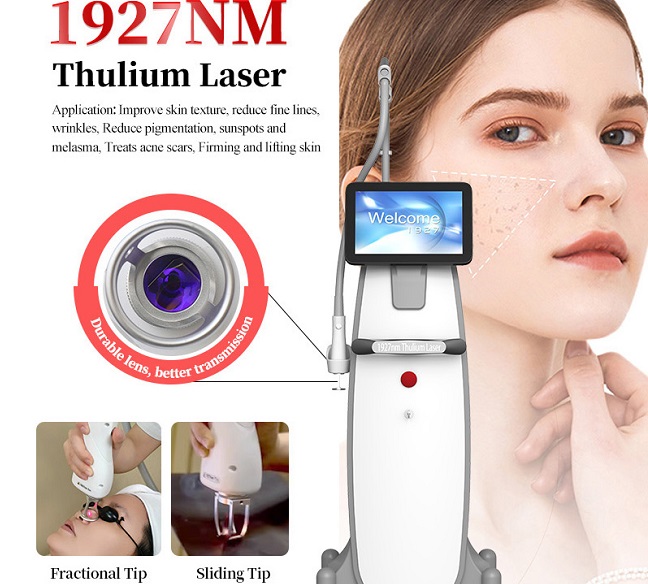
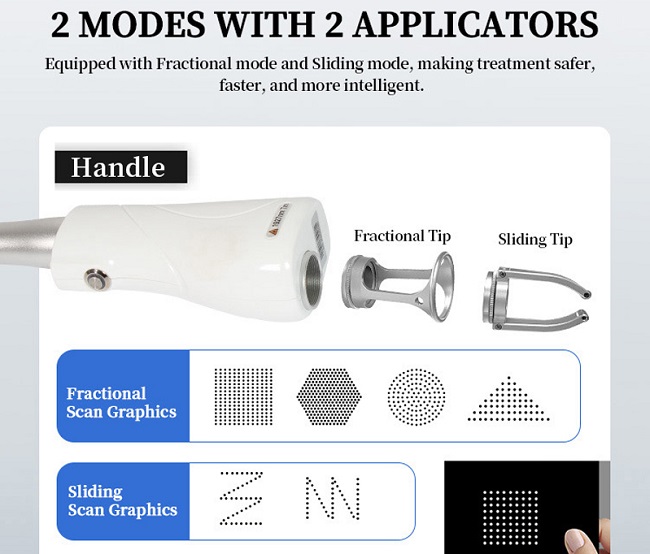
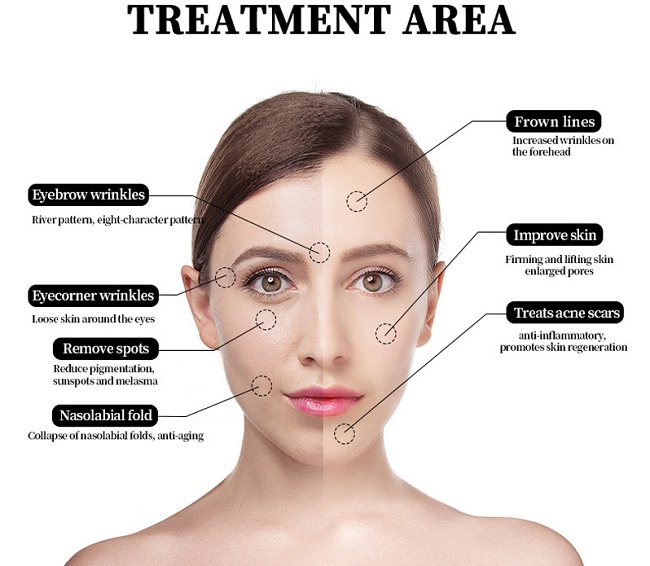
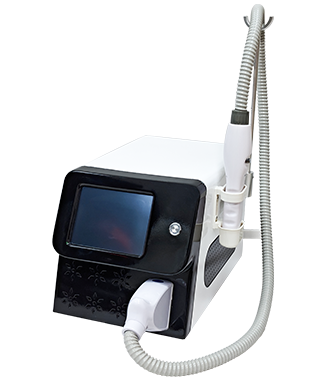
The 1927nm Fractional Thulium Laser: A Comprehensive Clinical Guide to Non-Ablative Skin Rejuvenation and Pigment Correction
2026-08-28
Introduction
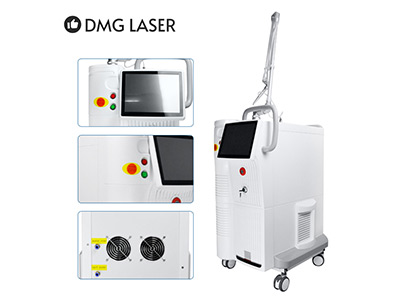
The 1927nm fractional thulium fiber laser represents a significant advancement in aesthetic dermatology, occupying a unique position between traditional non-ablative and ablative laser technologies. By emitting light at a wavelength that is preferentially absorbed by water in irradiated skin, this device creates columns of microscopic thermal injury while preserving surrounding tissue. The 1927nm wavelength, with its intermediate water absorption coefficient, offers a spectrum of non-ablative to ablative effects, making it one of the most versatile platforms for skin rejuvenation and pigment correction available today.
For clinic owners and distributors evaluating aesthetic laser equipment, understanding the technical distinctions, clinical applications, and practical advantages of the 1927nm thulium laser is essential for making informed purchasing decisions. This comprehensive guide examines the technology's mechanisms, clinical evidence, comparative advantages, and treatment optimization strategies.
The Physics and Mechanism of Action Water Absorption and Penetration Depth
The 1927nm wavelength is more greatly absorbed by tissue water than classic non-ablative fractional lasers such as 1550nm erbium glass systems. This higher water absorption coefficient results in a relatively superficial penetration depth that targets the epidermis and the stratum basale—the layer where melanin is present. This selective targeting makes the 1927nm laser particularly effective for epidermal pigmentary concerns while maintaining an excellent safety profile.
The 1550nm wavelength can penetrate the dermis layer, while the 1927nm wavelength is specifically suitable for epidermal lesions. This fundamental difference in penetration depth explains why these two wavelengths are often paired in dual-platform systems like the Fraxel DUAL. The 1927nm component addresses superficial pigment and textural concerns, while the 1550nm component targets deeper dermal remodeling. Non-Ablative Fractional Photothermolysis
The 1927nm thulium laser operates on the principle of fractional photothermolysis—creating microscopic thermal zones that trigger the skin's natural healing cascade without removing the entire epidermal layer. The thulium laser combines characteristics of both ablative and non-ablative lasers, offering a unique treatment profile that balances efficacy with safety. This intermediate positioning allows practitioners to achieve meaningful clinical results with significantly reduced downtime compared to fully ablative systems.
Clinical Applications and Evidence Melasma and Hyperpigmentation
The 1927nm fractional thulium laser has demonstrated robust clinical efficacy in treating melasma and other forms of hyperpigmentation. Research has shown that the 1927nm thulium fiber laser is a safe and effective treatment option for melasma. A split-face study using the 1927nm thulium fiber fractional laser for photoaging and melasma in Asian skin reported significant MASI (Melasma Area Severity Index) improvements at 1 week, 1 month, and 2 months post-treatment.
In a pilot case series using high-potency depigmenting masks delivered via 1927nm fractional laser for refractory melasma, all patients showed clinical improvement by week 16. Four patients achieved over 75% clinical improvement and two achieved 50–75% improvement. Clinical benefits remained stable 12 weeks after the final laser session, demonstrating the durability of treatment outcomes. Photoaging and Skin Texture
The 1927nm fractional thulium fiber laser has been found to be a safe and effective treatment option for treating photoaging. In prospective studies involving Fitzpatrick skin types II-IV subjects with mild to moderate photoaging signs, no post-inflammatory hyperpigmentation changes or adverse events were observed, with 70% of patients reporting being "satisfied" or "extremely satisfied".
The 1927nm laser improves skin texture and treats skin pigmentation. It specifically addresses actinic keratoses, dyschromia, and pigmented lesions, making it a versatile tool for comprehensive skin rejuvenation. Applications in Skin of Color
One of the most compelling advantages of the 1927nm thulium laser is its safety profile in patients with darker skin types (Fitzpatrick III-VI). A 2026 review of the dual 1550/1927-nm laser system showed clinical improvement in scarring, melasma, and photoaging in patients with Fitzpatrick III-VI. Studies have confirmed consistent improvement with the 1927nm wavelength for the treatment of melasma and photoaging in skin of color.
The low-density 1927nm fractional thulium fiber laser has been evaluated for safety and effectiveness in hyperpigmented scar treatment in Fitzpatrick skin types II-V, with no post-inflammatory hyperpigmentation changes or adverse events observed. Treatment Parameters and Protocols
Clinical protocols for the 1927nm thulium laser vary based on indication and skin type. For pigment correction, typical parameters include pulse energy of 10-20 mJ/cm² with 3-5 passes. For androgenic alopecia treatment, a pulse duration of 300 µs and power output of 5 W has been utilized. Studies have used pulse energy of 8-10 mJ, output power of 10 W, and pulse spacing of 0.8 mm.
Most patients require 3-5 sessions spaced 4-6 weeks apart, depending on the condition being treated and individual response.
Comparative Analysis: 1927nm vs. Other Laser Platforms 1927nm vs. 1550nm (Fraxel)
The key difference between 1550nm and 1927nm fractional lasers lies in how deep their energy is absorbed. The 1927nm wavelength is more greatly absorbed by tissue water than 1550nm systems. While the 1550nm wavelength can penetrate the dermis layer for deeper collagen work, the 1927nm wavelength is specifically suitable for epidermal lesions and pigment correction.
The 1550nm laser effectively targets dyschromia, fine lines, and various types of scars, while the 1927nm laser specifically addresses actinic keratoses, dyschromia, and pigmented lesions. Initial findings suggest that 1927nm thulium lasers may be more effective than 1550nm erbium lasers in achieving lesion clearance, with one study reporting an 87.3% reduction in actinic keratoses at 3-month follow-up. 1927nm vs. Ablative Lasers
Compared to ablative fractional CO2 lasers, the 1927nm thulium laser offers significantly shorter downtime and a lower risk of post-inflammatory hyperpigmentation. The non-ablative fractional system provides safe resurfacing for diverse skin types with minimal post-procedural downtime and reduced risk of adverse events relative to ablative lasers.
Practical Considerations for Clinic Integration Patient Selection
The 1927nm thulium laser is suitable for a broad range of patients, including those with Fitzpatrick skin types II-VI who may not be candidates for more aggressive ablative treatments. Ideal candidates include patients with melasma, photoaging, actinic keratoses, dyschromia, and textural irregularities. Treatment Experience
Most patients experience minimal discomfort during treatment, with many protocols performed without anesthesia. Typical post-treatment reactions are limited to mild erythema lasting 24-48 hours with no scabbing or prolonged recovery period. Business Considerations
For clinics and distributors, the 1927nm thulium laser represents a versatile, high-demand addition to any aesthetic practice. Its ability to treat melasma, pigmentation, photoaging, and textural concerns in a single platform makes it attractive for both new and established practices. The non-ablative nature of the treatment appeals to patients seeking visible results without extended downtime, driving repeat visits and word-of-mouth referrals.
Conclusion
The 1927nm fractional thulium laser occupies a unique and valuable position in the aesthetic laser landscape. Its intermediate water absorption coefficient offers a spectrum of non-ablative to ablative effects, providing practitioners with exceptional versatility. Clinical evidence supports its efficacy across multiple indications including melasma, photoaging, and pigmented lesions, with a safety profile that extends to Fitzpatrick skin types III-VI.
For clinics seeking to expand their service offerings with a proven, versatile platform, the 1927nm fractional thulium laser represents a strategic investment that delivers both clinical excellence and business growth.
Ready to Add 1927nm Fractional Thulium Laser to Your Clinic?
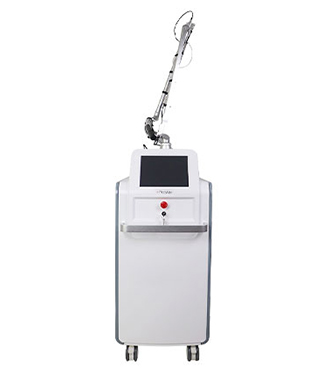
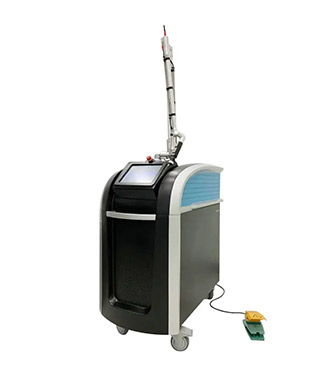
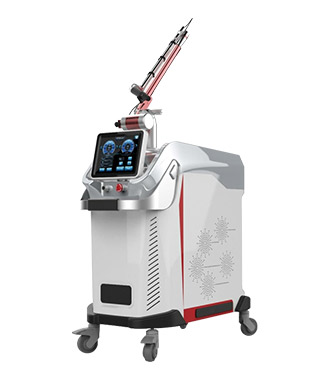
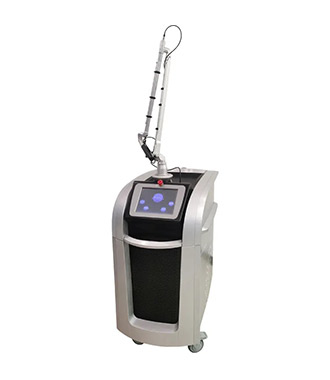
If you are a clinic owner, medspa operator, dermatologist, or beauty equipment distributor looking to invest in a professional 1927nm fractional thulium laser system, we are here to help.
Our 1927nm Thulium Laser Systems Offer:
Non-ablative fractional technology — minimal downtime, maximum results
Superior pigment correction — clinically proven for melasma, hyperpigmentation, and photoaging
Safe for all skin types — effective and safe for Fitzpatrick I-VI
Versatile applications — melasma, glass skin, texture refinement, and more
CE certified — quality assured for professional clinical use
Factory-direct pricing — competitive wholesale rates for clinics and distributors
OEM/ODM customization — build your own brand
Comprehensive training & support — technical training, treatment protocols, and after-sales service
Contact us today on WhatsApp: +86 19937136112
Our team is ready to answer your questions, provide product recommendations, and offer a customized quote based on your business needs. Let us help you bring advanced 1927nm thulium laser technology to your clinic.