The Ultimate Guide to Laser Hair Removal: Everything You Need to Know
2026-10-16
Laser hair removal has become one of the most sought-after aesthetic treatments worldwide. It offers a long-term solution to unwanted hair, freeing you from the endless cycle of shaving, waxing, and plucking. But if you’re considering it for the first time, you probably have questions: Does it hurt? How long does it take? Is it safe for all skin tones? This comprehensive guide answers all your questions and more.
Where Can You Get Laser Hair Removal?
While the most common treatment areas are the face, underarms, legs, and bikini line, laser hair removal can be performed on almost any part of the body that grows hair. This includes the back, chest, neck, arms, and even the hands and feet. The versatility of modern laser systems means that nearly every area can be treated, provided the hair contains enough pigment to absorb the laser energy.
How Painful Is Laser Hair Removal?
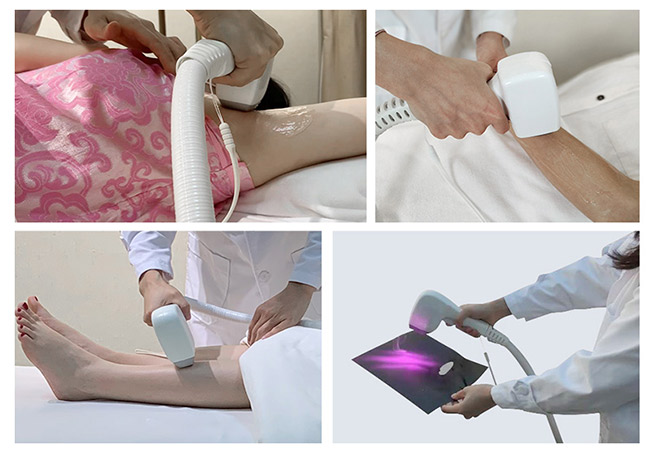
The sensation varies from person to person, but most describe it as a quick, sharp snap—similar to a rubber band flicking against the skin. According to Dr. Daron Seukeran, Group Medical Director at sk:n clinic, the laser works by targeting the pigment in the hair, converting light into heat that damages the hair follicle and bulb.
In practice, thinner skin areas such as the upper lip, chin, and temples tend to be more sensitive. However, most modern devices incorporate cooling mechanisms—such as a continuous blast of cold air—to minimize discomfort. Interestingly, if your body temperature is elevated (for example, if you rushed to your appointment), the treatment may feel more intense. So arriving relaxed and on time can actually make a difference.
How Long Does a Session Take?
Treatment times vary depending on the area:
Full face: Approximately 20 minutes, including a brief consultation and makeup removal.
Full legs: Up to 60 minutes.
Bikini line: Up to 30 minutes.
These times can vary based on hair density, the size of the area, and the technology used.
Who Is a Suitable Candidate?
Laser hair removal is not a one-size-fits-all treatment. The ideal candidate has dark hair and lighter skin, as the laser targets the pigment in the hair. However, advances in technology have made it possible to treat a wider range of skin tones. Can You Have Laser Hair Removal with Tattoos?
It is generally not recommended to treat areas with tattoos. The laser can interact with the tattoo ink, leading to fading, blistering, and discomfort. Most clinics will avoid treating within 3 cm of a tattoo, but this depends on the size and placement. Always consult your clinician if you have tattoos in the treatment area. Does It Work on All Skin Tones?
Historically, laser hair removal was only safe for lighter skin tones because the laser could be attracted to the skin’s pigment rather than the hair, risking burns. Today, long-pulsed Nd:YAG lasers are specifically designed to safely treat darker skin tones. The key is that the hair must be dark enough to absorb the laser energy. For those with fair hair or very deep skin, results may be limited, but a consultation can determine the best approach.
Lucy, a senior consultant, explains: “Older laser technology was not recommended for darker skin tones, particularly Black or Asian skin. The energy could target the skin’s pigment instead of the hair, increasing the risk of burns. Modern Nd:YAG lasers have changed that.”
How to Prepare for Your Session
Proper preparation is crucial for optimal results and safety. Here’s what you need to do:
Shave the area within 24 hours before treatment. Do not use electric razors, as they leave hair too long.
Do not wax, pluck, or tweeze the area between sessions. Shaving is the only acceptable method of hair removal.
Arrive with clean skin—no makeup, lotion, deodorant, or sunscreen. If you need wipes, inform your practitioner.
Avoid sun exposure for at least four weeks before treatment. If you have a tan, you must wait until it fades.
Do not use self-tanning products for 3–4 weeks prior, and exfoliate thoroughly to remove any residue.
Aftercare: What to Do and What to Avoid
Post-treatment care is just as important as preparation. Here are the key guidelines:
Avoid heat for 24 hours: no gym, saunas, hot showers, or strenuous exercise. Heat can encourage bacteria to multiply, leading to irritation.
Skip harsh skincare for two days before and after: no scrubs, glycolic acid, or retinol creams.
Avoid chemical peels for two weeks before and after treatment.
Wait 1–2 weeks before using self-tanning products.
Stay out of the sun and avoid sunbathing before and after treatment. Your dermatologist will advise on timing around holidays.
How Long Does It Take to See Results?
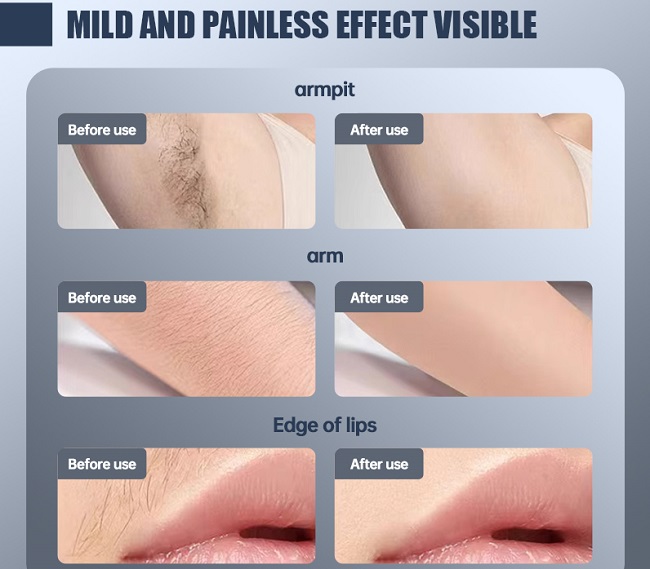
You won’t see immediate results. It typically takes two to three weeks after your first session to notice a difference. A full course of 8–12 treatments is usually required to achieve optimal hair reduction. This is because hair follicles grow in different cycles, and the laser only affects hairs in the active growth phase.
“Laser hair removal gets to the root of the problem,” says Lucy Dawe, Senior Consultant at Pulse Light Clinic. “Clients may see finer hair after one treatment, but a full course is essential for the best results.”
Consistency is key. If you stop treatments, hair will eventually grow back.
Frequently Asked Questions Can laser hair removal cause more hair to grow?
In rare cases, certain fine hairs (vellus hairs) can be stimulated to grow longer and thicker. Your dermatologist will assess your suitability beforehand. Are there additional benefits?
Yes. Besides permanent hair reduction, laser hair removal can help reduce ingrown hairs and skin irritation. It encourages hair to grow straight, leading to smoother skin. Can I pluck, wax, or bleach between sessions?
No. These methods interfere with the laser’s ability to target the hair follicle. Only shaving is permitted. Will I need top-up treatments?
Most people experience a 90% permanent reduction. However, hormonal fluctuations can cause some hair to return. Your clinician may recommend occasional top-up sessions, often every few months or twice a year.
Conclusion
Laser hair removal is a safe, effective, and increasingly accessible solution for long-term hair reduction. With proper preparation, aftercare, and a skilled practitioner, you can enjoy smoother skin and freedom from constant hair maintenance.
If you’re ready to take the next step, consult a qualified clinic to discuss your goals, skin type, and the best treatment plan for you. Your journey to permanently smooth skin starts with a single appointment.



.jpg)
.jpg)