Picosecond Laser for Pigmentation: Treatment Guide, Benefits & Safety
2026-09-16
Introduction
Pigmentation problems are among the most frequent concerns in aesthetic dermatology. Whether it is melasma, sun-induced dark spots, freckles, or post-acne marks, uneven skin tone can affect confidence and daily life. Many patients try topical creams, chemical peels, or home remedies before seeking professional care. In recent years, the picosecond laser has become a leading option for pigment correction because it offers precision, safety, and minimal downtime.
This article provides an evidence-informed overview of picosecond laser treatment for pigmentation. It explains the technology, the conditions it can address, who may be a suitable candidate, and what patients should expect before, during, and after treatment.
What Is a Picosecond Laser?
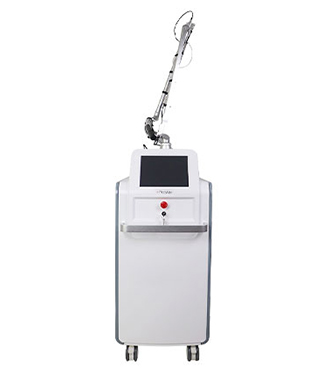
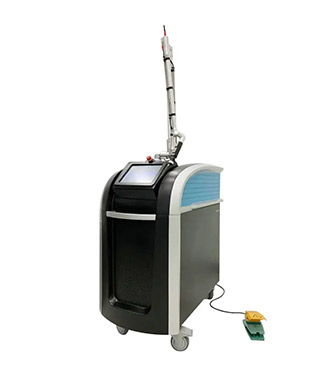
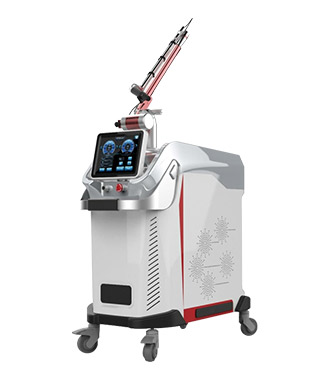
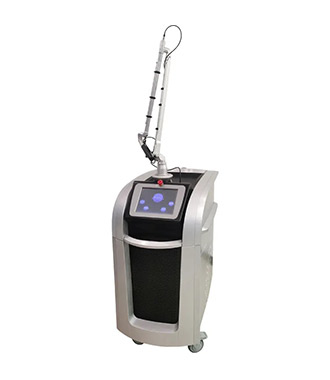
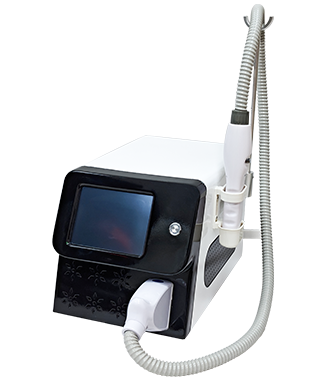
A picosecond laser is a device that emits ultra-short pulses of light energy. The pulse duration is measured in picoseconds—one trillionth of a second. By comparison, traditional Q-switched lasers operate in nanoseconds, or one billionth of a second. Although both are extremely fast, the difference in pulse duration has a major impact on how laser energy interacts with skin.
Shorter pulses produce higher peak power. Instead of relying mainly on heat to destroy pigment, picosecond lasers create a strong photoacoustic effect—a mechanical shockwave that breaks pigment particles into smaller fragments. These fragments are then gradually cleared by the body’s immune system. Because heat diffusion is reduced, surrounding tissue is less affected, which lowers the risk of burns, scarring, and post-inflammatory pigmentation.
How Picosecond Lasers Work on Pigment
Picosecond lasers target melanin, the pigment responsible for skin, hair, and eye color. When the laser beam reaches the skin, melanin absorbs the energy. The ultra-short pulse causes pigment particles to shatter into tiny pieces. The body then removes these particles naturally over weeks to months.
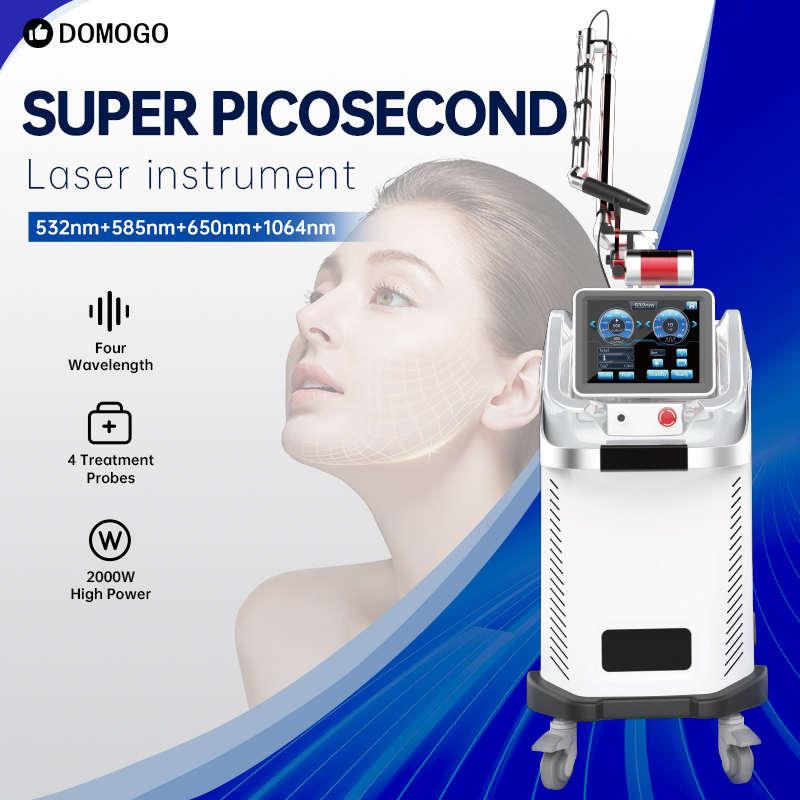
Different wavelengths are used to reach different depths and target different colors:
532 nm – targets superficial pigment such as freckles, sun spots, and red or orange tattoo ink.
755 nm – reaches mid-depth pigment, including melasma and blue or green tattoo ink.
1064 nm – penetrates deeper and is safer for darker skin types; useful for deeper dermal pigment and dark tattoo ink.
Because the technology can be adjusted by wavelength and energy, it can be tailored to a wide range of skin tones and pigment types.
Pigmentation Disorders Treated with Picosecond Lasers
Skin pigmentation disorders fall into three broad categories:
Hyperpigmentation – darker patches or spots caused by excess melanin.
Hypopigmentation – lighter areas caused by reduced melanin.
Depigmentation – white patches where melanin is absent.
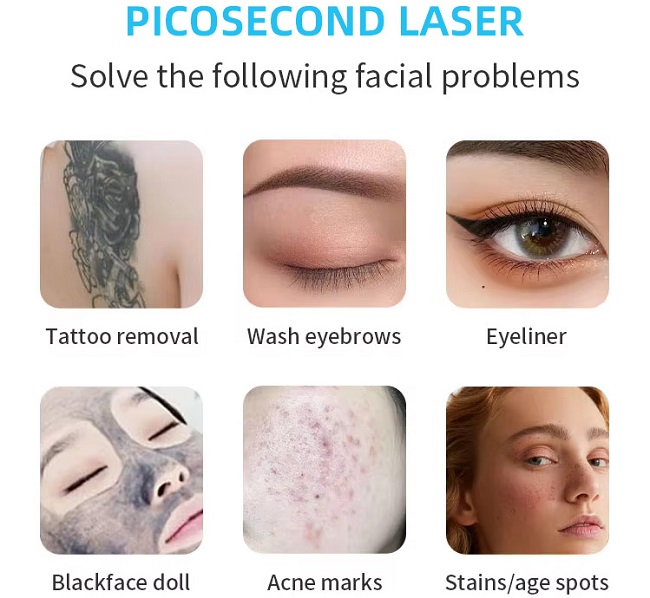
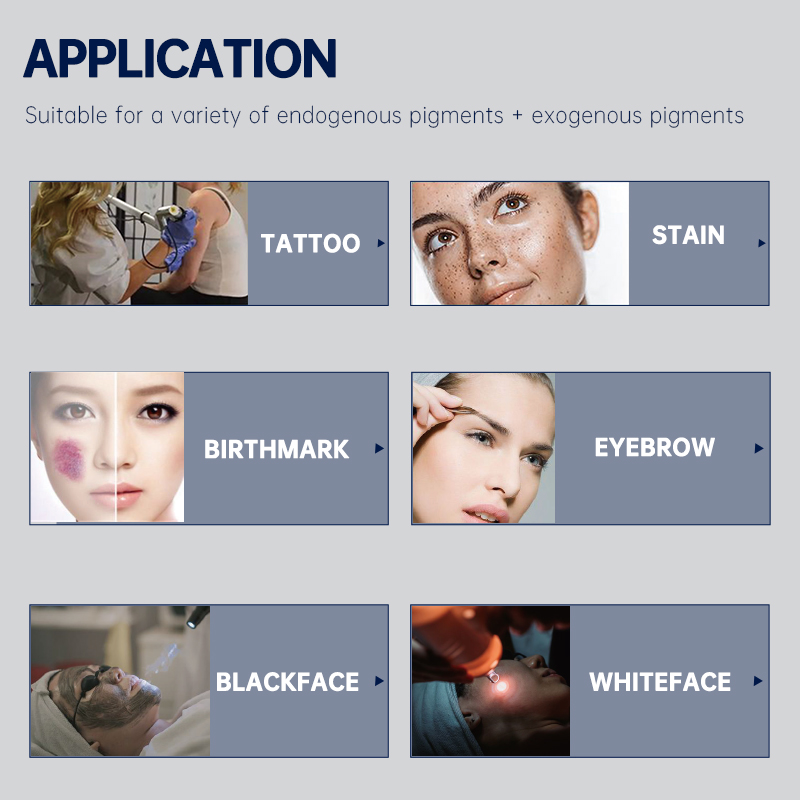
Picosecond lasers are primarily used for hyperpigmentation. Common examples include:
Solar lentigines (age spots)
Freckles
Melasma
Post-inflammatory hyperpigmentation (PIH)
Acne-related dark marks
Uneven skin tone after sun damage
In some cases, picosecond lasers are also used for tattoo removal and for improving skin texture.
Benefits of Picosecond Laser Treatment
1. Precise Targeting
The ultra-short pulses allow practitioners to target pigment more precisely. This reduces damage to the surrounding skin and makes the treatment safer for a range of skin types.
2. Minimal Downtime
Most patients experience only mild redness and warmth after treatment. Many return to normal activities immediately. Some may have slight dryness or peeling for a few days.
3. Suitable for Many Skin Types
Picosecond lasers, especially with a 1064 nm wavelength, can be used safely on darker skin tones. This is a significant advantage over older laser systems that carried a higher risk of post-inflammatory hyperpigmentation in Fitzpatrick IV–VI skin.
4. Collagen Stimulation
Beyond pigment removal, picosecond lasers can stimulate collagen and elastin production. This can improve skin texture, reduce fine lines, and give the skin a more youthful appearance.
5. Short Sessions
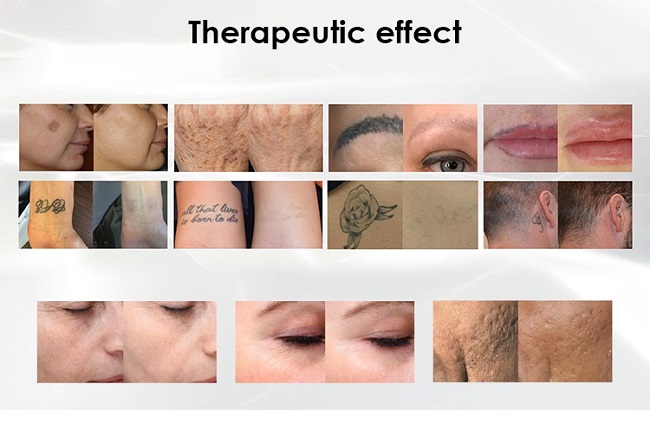
A typical facial treatment takes about 30 minutes. Results may be seen after one session, although multiple sessions are often needed for optimal improvement.
Who Is a Suitable Candidate?
Adults with uneven pigmentation, acne scars, enlarged pores, or fine lines may be good candidates. However, realistic expectations are important. Significant skin changes usually require several sessions.
Patients should avoid sun exposure and tanning for at least four weeks before treatment because the laser targets melanin.
Picosecond laser treatment may not be suitable for individuals who:
Are sensitive to infrared light
Take medications that increase sensitivity to sunlight or UV rays
Have light-induced seizures
Have autoimmune conditions such as lupus or type 1 diabetes
Have taken oral isotretinoin within the past six months
Have psoriasis, eczema, herpes, melanoma, or an active infection in the treatment area
Have an active tan
A consultation with a qualified dermatologist is essential to determine suitability.
What to Expect During and After Treatment
Most patients tolerate picosecond laser treatment well. A topical numbing cream can be applied if needed. Many describe the sensation as a small rubber band snapping against the skin.
After treatment, the area may be red and warm. Some pigment spots may appear darker before they gradually fade and flake away. Aftercare typically includes:
Daily broad-spectrum sunscreen
Gentle moisturizer
Avoiding harsh skincare products for a few days
Not picking or rubbing treated areas
Avoiding saunas, steam rooms, and intense sweating until the skin settles
Side Effects and Risks
Common, temporary side effects include redness, swelling, and mild discomfort. Less common risks include pinpoint bleeding, crusting, blistering, scarring, post-inflammatory hyperpigmentation, and hypopigmentation. The risk of side effects increases with higher energy settings. Patients should contact their practitioner if they experience persistent redness, swelling, or unusual pigment changes.
Alternatives for Hyperpigmentation
Several alternatives exist, each with advantages and limitations:
Lightening creams – contain ingredients such as vitamin C, licorice extract, or niacinamide. Best for mild pigmentation.
Retinoids – derived from vitamin A; can improve pigmentation but may cause dryness and peeling.
Chemical peels – use acids to remove pigmented surface layers. Professional peels are stronger but carry risks if used incorrectly.
Microdermabrasion – physically exfoliates the skin. Helpful for superficial concerns.
Picosecond laser is often more effective for stubborn or deeper pigmentation, but a combination approach may be recommended.
Conclusion
Picosecond laser technology has advanced the treatment of pigmentation. It offers precise targeting, minimal downtime, and suitability for many skin types. Clinical experience shows high rates of good-to-excellent outcomes, and the procedure can also improve skin texture and tone.
However, results depend on proper patient selection, appropriate settings, and consistent aftercare. Anyone considering treatment should consult a qualified dermatologist to discuss expectations, risks, and the best approach for their skin.
FAQ Is picosecond laser treatment painful?
Most patients report mild discomfort, often described as a rubber band snap. Numbing cream can be used if needed. How many sessions are required?
It depends on the pigment type and depth. Some patients see improvement after one session; others may need several. Is it safe for dark skin?
Yes, especially with the 1064 nm wavelength. A qualified practitioner can select settings that reduce the risk of post-inflammatory hyperpigmentation. What is the downtime?
Most people return to daily activities immediately. Mild redness or dryness may last a few days.