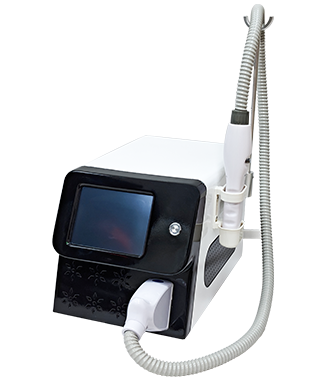
In the booming world of aesthetic medicine, picosecond lasers are the undisputed rockstars of pigment removal. However, a cloud of anxiety often surrounds them. Patients frequently ask: “Will it cause rebound pigmentation? Will my skin become paper-thin?”
The confusion stems from a lack of distinction between true picosecond technology and older laser platforms. Today, we are breaking down the science, the limitations, and the clinical truths you need to know before undergoing or offering this treatment.
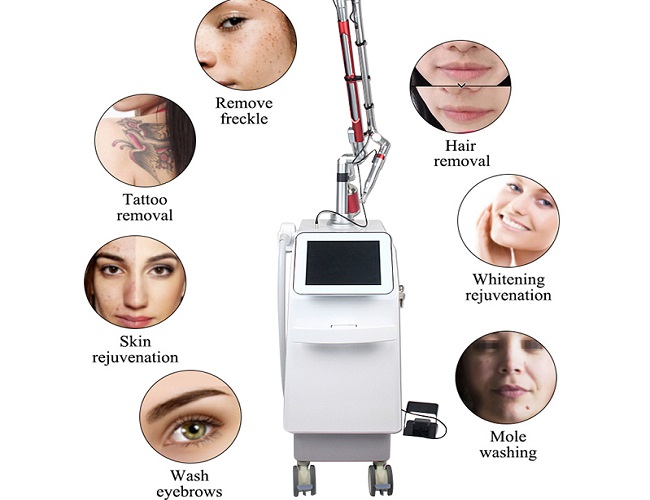
A picosecond is one trillionth of a second. To put that into perspective, a picosecond is to a second what a second is to roughly 31,700 years.
Traditional Q-switched lasers rely on photothermal (heat-based) energy to "burn" melanin. The downside? Heat diffuses into surrounding healthy tissue, causing collateral damage, longer recovery times, and a higher risk of PIH.
Picosecond lasers operate via a photoacoustic (mechanical) mechanism. The ultra-short pulse creates a massive shockwave that physically shatters melanin into microscopic dust, allowing the lymphatic system to clear it effortlessly. Because the laser's heat dissipates before it can damage surrounding tissue, it is significantly safer.
The Two Main Platforms:
755nm Picosecond: The gold standard for melanin absorption. Ideal for epidermal spots like freckles and sun damage.
Dual-Wavelength Ultra-Picosecond (1064nm & 532nm): Offers a much wider penetration depth. The 1064nm reaches deep dermal pigment safely (even in darker skin tones), while the 532nm targets superficial pigment. This dual approach yields broader applicability and faster recovery.
Understanding your specific pigment type is the key to a successful treatment.
Superficial Pigment (Freckles, Sun Spots): Highly responsive. Most patients see dramatic fading after just 1–2 sessions.
Deep Dermal Pigment (Nevus of Ota, Hori’s Nevus): Requires patience. Because the pigment is deeply embedded, it typically takes 3–7 sessions with generous healing intervals.
Melasma: Proceed with extreme caution. Melasma is an inherently unstable, chronic condition. Aggressive laser stimulation can easily trigger a severe flare-up. During the active phase, stabilization and anti-inflammatory measures must take priority. Only low-energy, conservative interventions should be considered once the skin is completely stable.
Laser is a powerful tool, but it is contraindicated for certain individuals. You should avoid picosecond treatments if you:
Are pregnant or breastfeeding.
Have had recent, unprotected sun exposure (active tan).
Have active facial acne, severe redness, or flaring dermatitis.
Are taking photosensitizing medications.
Have coagulation disorders or immunodeficiencies.
Have a keloid-scarring constitution.
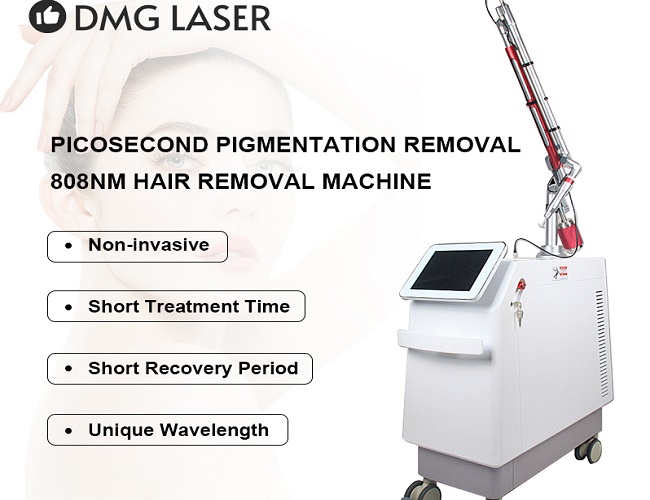
Post-Inflammatory Hyperpigmentation (PIH) is the industry’s most feared side effect. Let’s be clear: PIH is a possibility. It is a standard biological response to controlled inflammation.
When the laser creates micro-injuries, melanocytes are temporarily activated to produce extra melanin as a protective mechanism. This is not a treatment failure; it is a phase of the skin's repair process.
For most, PIH fades naturally within 1 to 3 months (up to 6 months for slower metabolisms). The two biggest triggers for severe PIH are insufficient sun protection and improperly high energy settings. A skilled operator who knows when to back off is your best defense.
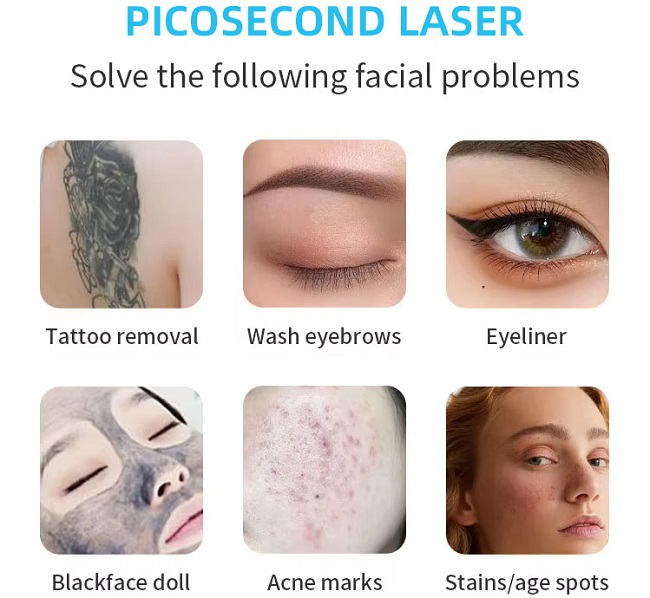
The laser is only 50% of the treatment; the remaining 50% is strict aftercare.
Days 0–3: Expect redness and mild swelling. Use cool compresses. Cleanse with cool water only. Absolutely no acids, retinol, or strong whitening products.
Days 3–7: Mild peeling is normal. Never pick at the crusts. Use gentle, barrier-repairing moisturizers.
Sun Protection is Non-Negotiable: Your skin is highly photosensitive post-laser. Use physical barriers (wide-brimmed hats, UV umbrellas) and generous amounts of SPF 50+ sunscreen, reapplying every 2–3 hours.
Lifestyle: Avoid saunas, hot springs, and intense exercise for one week. Avoid spicy foods, alcohol, and smoking.
Myth: Picosecond lasers thin the skin.
Truth: With correct settings, the photoacoustic effect actually stimulates dermal collagen remodeling, making the skin healthier and thicker over time.
Myth: One session removes all spots permanently.
Truth: Deep spots require multiple sessions (4–6 weeks apart). Melasma requires long-term management, not a one-time cure.
Myth: Spots will never return.
Truth: Lasers only remove existing pigment. If you neglect sun protection and your hormonal environment fluctuates, new spots will form.
Myth: If it hurts, it’s working better.
Truth: True picosecond treatments should feel like light, rapid snapping. Sharp, intense pain is a red flag that the energy is too high, increasing the risk of PIH.
Picosecond lasers are an incredibly effective modality for pigment management, but they are not magic wands. Realistic expectations, precise diagnosis (especially regarding melasma), and rigorous post-care are the pillars of success.
For Clinic Owners & Practitioners:
To deliver these results safely, your equipment must be flawless. A subpar machine with unstable energy output is the fastest way to ruin a patient's skin and your clinic’s reputation.
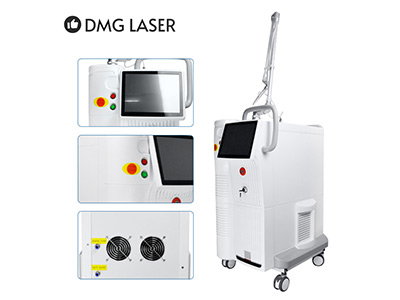
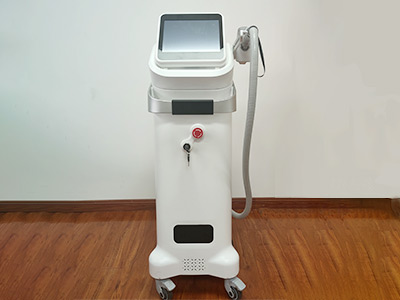
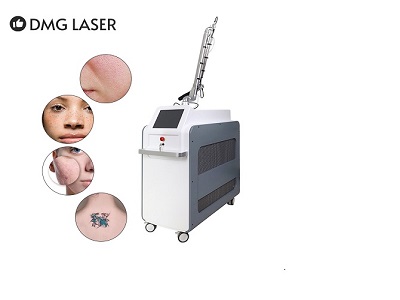
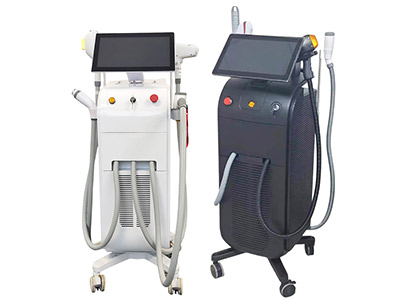
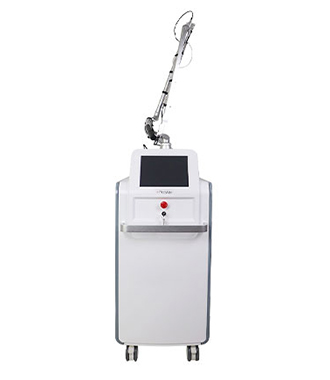
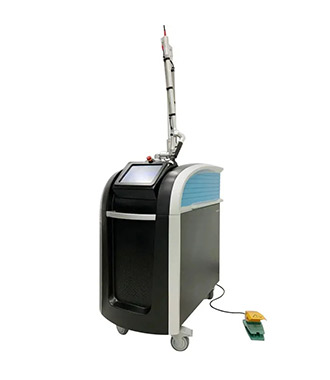
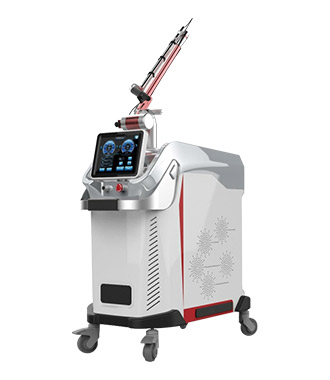
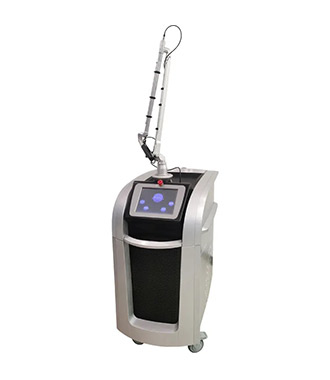
Our Advanced Dual-Wavelength Picosecond System is engineered to deliver true ultra-short pulses with peak stability, ensuring safe and effective treatments for all Fitzpatrick skin types. Backed by advanced sapphire cooling and intelligent energy monitoring, it is the ultimate B2B investment for your pigment correction services.
Contact our team on WhatsApp at +86 19937136112 to request the machine specifications, clinical parameters, and exclusive factory-direct pricing!