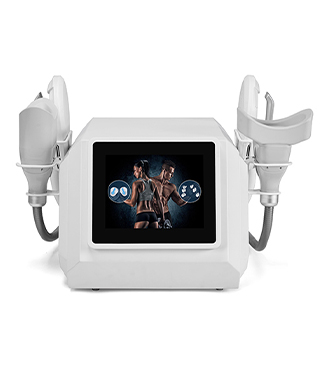
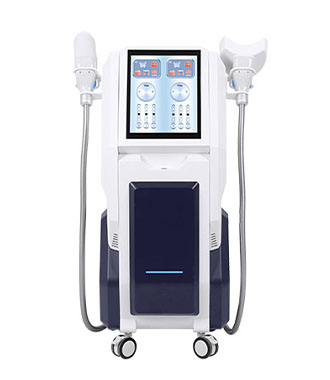
The Physiology of Body Contouring: How HIFEM Technology Replicates Intense Exercise
2026-11-27
The Limits of Voluntary Exercise For decades, the pursuit of muscle definition and localized fat reduction relied entirely on voluntary exercise and diet. However, human physiology has a natural limitation: during a standard workout (like lifting weights or doing crunches), the central nervous system can only recruit a fraction of the available motor units in a targeted muscle group. Even with maximum effort, you are typically activating only 60% to 70% of your muscle fibers. The remaining fibers remain dormant. This biological constraint is why achieving specific aesthetic goals—like a highly defined abdomen or lifted buttocks—can take years of rigorous, targeted training. In recent years, aesthetic medicine has adopted a technology that bypasses this voluntary limitation entirely: High-Intensity Focused Electromagnetic (HIFEM) technology, widely known through the commercial device EmSculpt. Here is a clinical breakdown of how this technology interacts with human physiology.
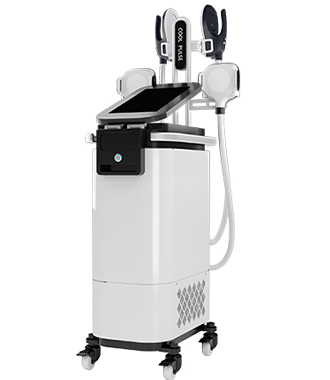
1. The Mechanism: Supramaximal Muscle Contractions The core of HIFEM technology is its ability to induce supramaximal contractions. Unlike voluntary contractions, which rely on neural signals from the brain, HIFEM delivers electromagnetic pulses directly through the skin to the motor neurons. These pulses are incredibly rapid and intense, forcing the muscle to contract involuntarily at a rate that cannot be achieved in a gym. Because the energy bypasses the brain's natural fatigue and safety mechanisms, it can recruit nearly 100% of the muscle fibers in the treated area simultaneously. The Clinical Result: A single 30-minute session induces approximately 20,000 contractions. This extreme mechanical stress forces the muscle tissue to adapt rapidly, leading to a process known as myofiber hypertrophy (muscle growth) and the creation of new muscle fibers (hyperplasia).
2. The Fat Reduction Connection: Lipolysis and Apoptosis A common question regarding this technology is: How does muscle stimulation lead to fat reduction? The answer lies in metabolic demand. When muscles undergo 20,000 supramaximal contractions in a short period, they require a massive amount of energy (ATP). The body responds to this extreme energy deficit by triggering lipolysis—the breakdown of triglycerides in nearby adipose (fat) tissue. The intense stress and energy demand cause the membrane of the fat cells to rupture. This process, known as adipocyte apoptosis (programmed cell death), leads to the destruction of the fat cells. Once destroyed, these cells are naturally cleared from the body by the lymphatic system over the following weeks. Therefore, the treatment achieves a dual physiological effect: muscle hypertrophy (building) and fat apoptosis (reduction) simultaneously.
3. Patient Experience and Clinical Timeline Understanding the physiological mechanics helps explain the patient experience. Because the electromagnetic energy penetrates deep into the tissue without affecting the skin's surface, the treatment is non-invasive and requires no anesthesia. Sensation: Patients often describe the feeling as a series of strong, involuntary muscle spasms. It feels exactly like an intense workout, but without the cardiovascular strain or sweat. The Biological Timeline:
Immediately After: The muscles may feel fatigued, similar to post-workout soreness (Delayed Onset Muscle Soreness or DOMS).
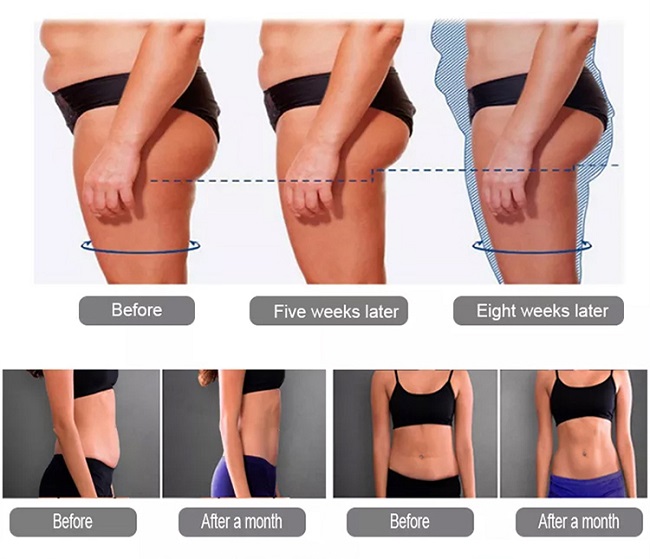
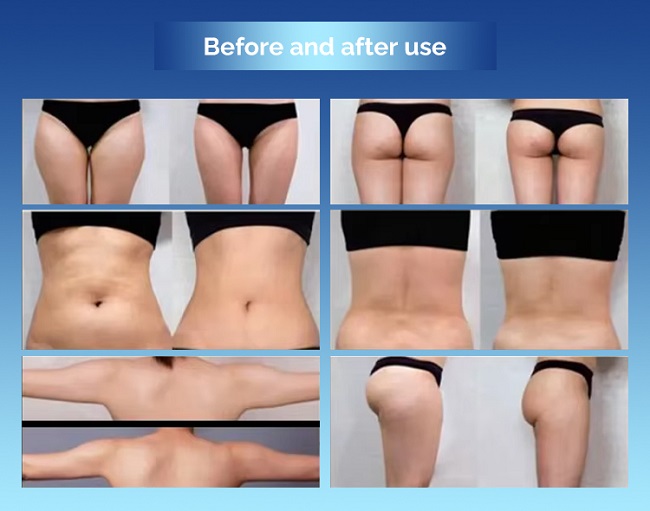
2 to 4 Weeks Post-Treatment: As the body repairs the micro-trauma induced by the supramaximal contractions, new muscle fibers begin to mature, and the destroyed fat cells are processed by the lymphatic system. This is when the visual improvements—such as increased tone and reduced circumference—become apparent.
4. Clinical Applications and Limitations HIFEM technology is FDA-cleared for several anatomical areas, primarily targeting areas where localized fat and muscle laxity are common: the abdomen, buttocks, arms, and thighs. However, it is important to understand what this technology is not:
It is not a weight-loss treatment. It is a body-contouring procedure. It is most effective on individuals who are at or near their target weight but have stubborn localized fat or desire more muscle definition.
It does not replace a healthy lifestyle. While it builds muscle and destroys fat cells, maintaining the results still requires a baseline of proper nutrition and some physical activity.
Maintenance is required. The body is in a constant state of flux. While the destroyed fat cells are gone permanently, the newly built muscle requires maintenance sessions every few months to sustain optimal definition.
Conclusion HIFEM technology represents a fascinating intersection of physics and human biology. By using targeted electromagnetic energy to override the limitations of voluntary exercise, it induces physiological changes—muscle hypertrophy and fat apoptosis—that were previously only achievable through surgery or years of intense physical training. Understanding the science behind these non-invasive treatments allows both practitioners and patients to set realistic, clinically sound expectations for their body contouring journeys.