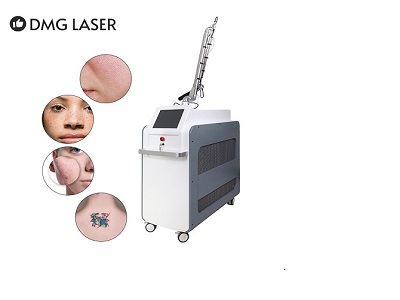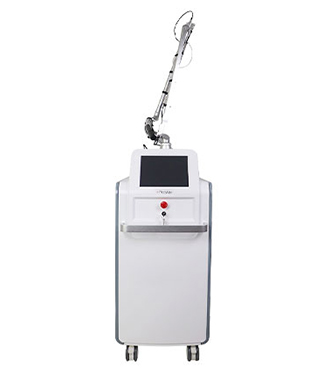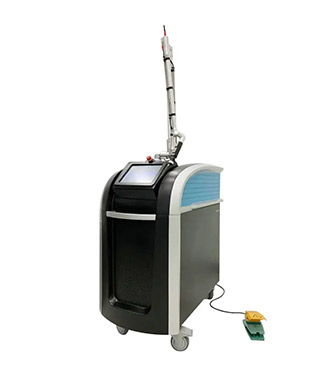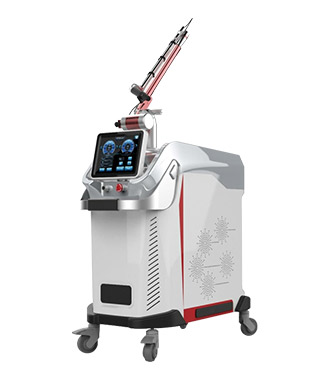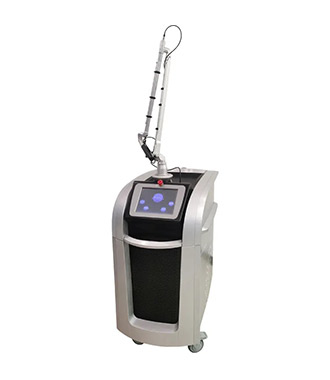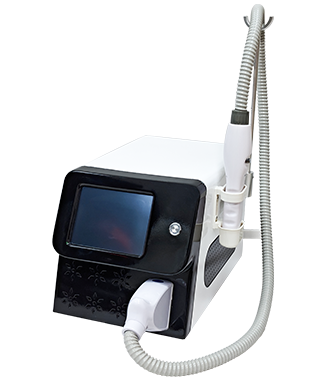
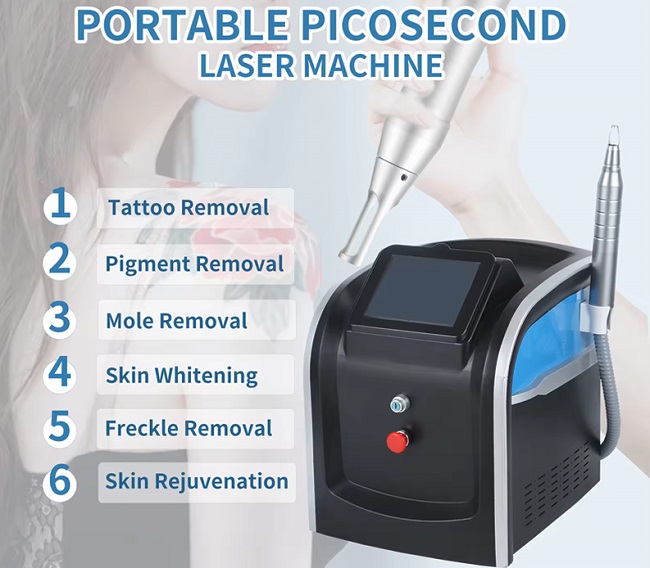
The aesthetic laser market is undergoing a fundamental transformation. What was once the exclusive domain of large, immobile clinical systems is now accessible through compact, portable platforms that deliver comparable—and in some cases superior—clinical outcomes. The portable picosecond laser represents this evolution at its most refined: a system that combines the ultra-short pulse physics of high-end aesthetic lasers with the practical advantages of mobility and ease of deployment.
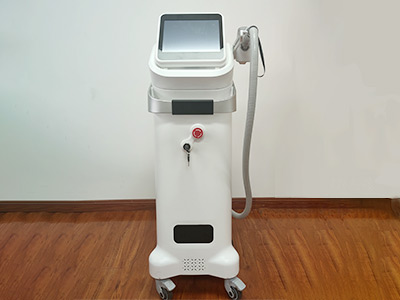
Portable picosecond laser systems typically weigh less than 70 kg, making them significantly lighter than traditional stationary units. This weight reduction is not achieved through compromising clinical capability but through advances in laser source engineering, thermal management, and component miniaturization. The result is a professional-grade aesthetic platform that can be moved between treatment rooms, deployed in satellite clinics, or even transported for mobile aesthetic services—without sacrificing the power or precision required for effective tattoo removal, pigment correction, and skin rejuvenation.
For clinic owners, distributors, and aesthetic practitioners, understanding the engineering principles, clinical applications, and business case for portable picosecond technology is essential for making informed purchasing decisions. This guide provides that comprehensive overview.
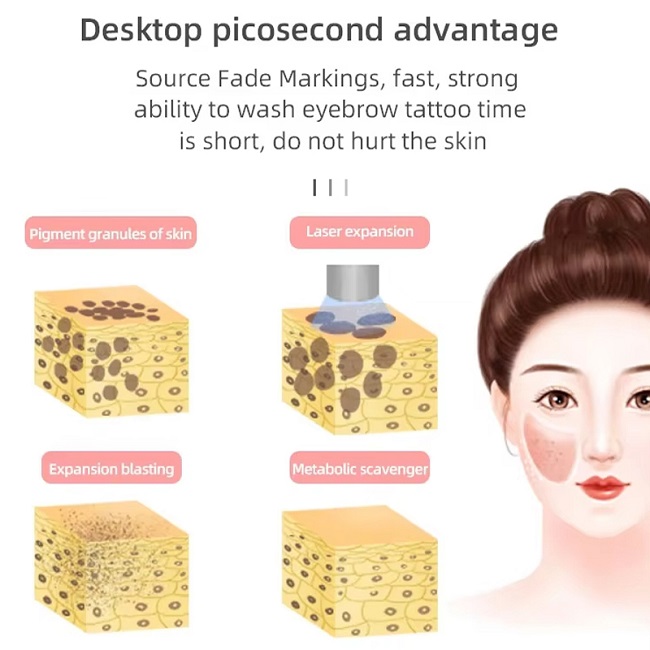
The fundamental distinction between picosecond lasers and their Q-switched nanosecond predecessors lies in pulse duration. A picosecond is one trillionth of a second (10⁻¹² seconds)—a time scale so brief that it defies intuitive comprehension. To put this in perspective: a picosecond is to one second what one second is to approximately 31,700 years.
This ultra-short pulse duration has profound implications for laser-tissue interaction. When a picosecond pulse strikes a target chromophore—whether tattoo ink particles, melanin in pigmented lesions, or other pigmented structures—the energy is deposited so rapidly that thermal diffusion to surrounding tissue is virtually eliminated. The result is a photoacoustic effect: the generation of shockwaves within the target cells that mechanically shatter the pigment into microscopic fragments.
Traditional nanosecond lasers operate primarily through photothermal mechanisms: they heat target tissues until thermal damage occurs. While effective, this approach inevitably transfers heat to surrounding structures, increasing the risk of collateral damage, scarring, and post-inflammatory hyperpigmentation—particularly in darker skin types.
Picosecond lasers operate through a fundamentally different mechanism. The photoacoustic effect generates mechanical stress waves that fragment pigment particles without requiring the high thermal loads that characterize nanosecond systems. This mechanical fragmentation produces particles significantly smaller than those generated by nanosecond lasers, enabling more efficient clearance by the body's lymphatic system.
The clinical implications are substantial:
Reduced thermal damage to surrounding epidermis and dermis
Lower risk of hyperpigmentation and hypopigmentation
Fewer treatment sessions required for complete clearance
Broader applicability across Fitzpatrick skin types I–VI
Research has demonstrated that picosecond lasers are rapidly gaining favor in tattoo removal, with an in-depth understanding of laser principles being key to achieving optimal outcomes with minimal adverse effects.
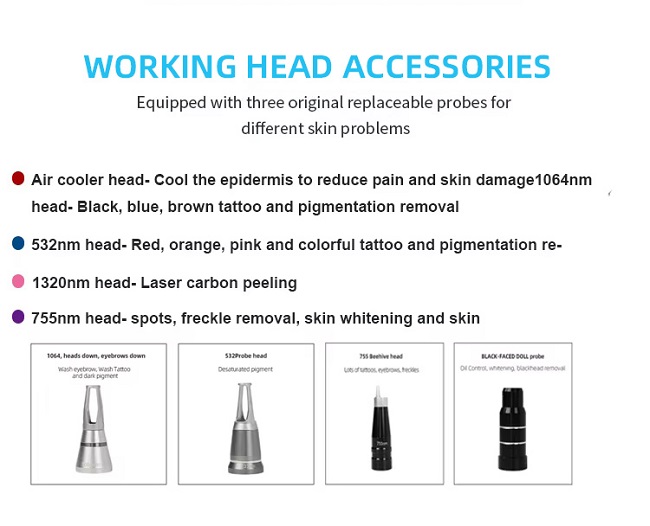
A professional portable picosecond laser system typically incorporates three distinct wavelengths, each optimized for specific chromophores and tissue depths:
| Wavelength | Primary Targets | Optimal Applications |
|---|---|---|
| 532nm | Superficial melanin, red/orange/yellow tattoo inks | Freckles, solar lentigines, red/orange tattoos, epidermal pigmentation |
| 755nm | Melanin (moderate depth), blue/green tattoo inks | Nevus of Ota, blue/green tattoos, mixed pigmentation |
| 1064nm | Deep melanin, black/dark blue tattoo inks | Deep tattoos, black ink, Fitzpatrick IV–VI skin types |
The 532nm wavelength produces a photothermal effect with short downtime, making it ideal for skin rejuvenation and tightening. The 1064nm wavelength allows flexible spot size adjustment from 1mm to 10mm, enabling physicians to use larger spot sizes while maintaining stability during treatment. The 755nm wavelength is particularly suitable for removing lighter-colored tattoos including red, yellow, and brown pigments.
This wavelength diversity enables a single portable platform to address the full spectrum of pigmented lesions and tattoo colors—from light orange to deep black—making it a truly versatile clinical tool.
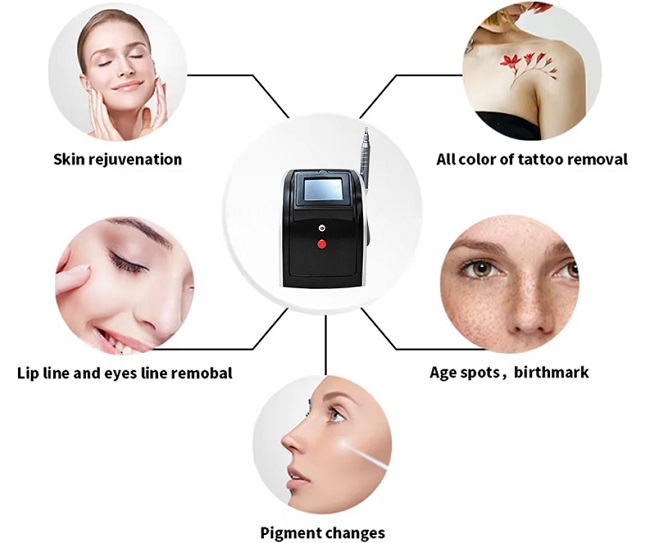
While tattoo removal remains the most well-known application of picosecond laser technology, the clinical utility of portable picosecond systems extends far beyond ink elimination.
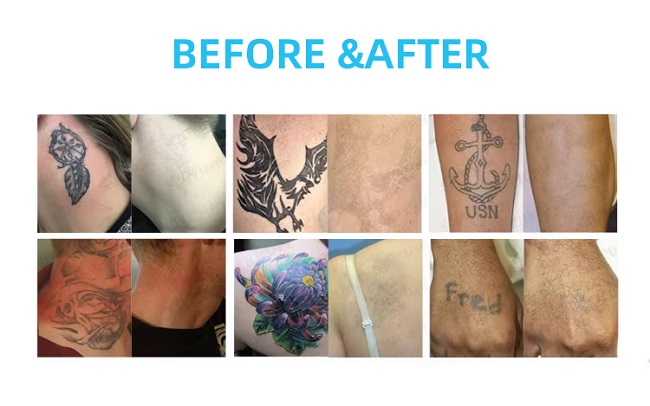
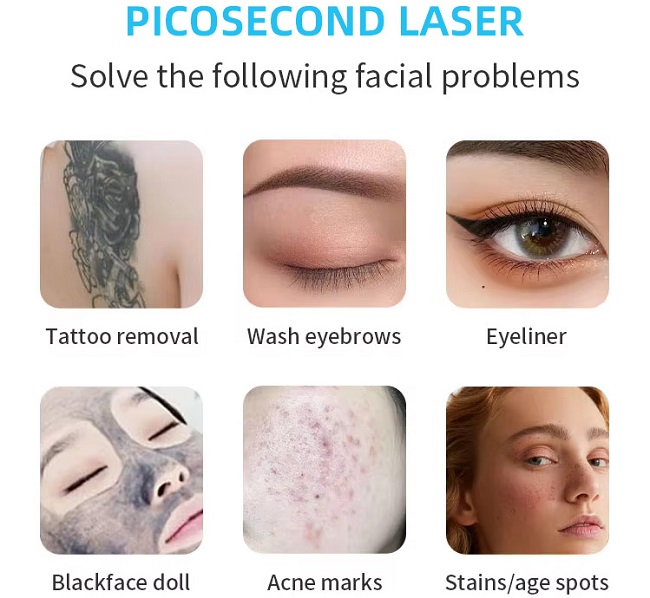
Picosecond lasers have become the preferred modality for tattoo removal across all skin types. The photoacoustic mechanism effectively breaks down stubborn tattoo ink, including multi-color designs, while minimizing thermal damage to surrounding skin. The ultra-short pulse duration enables more effective fragmentation of ink particles than Q-switched nanosecond systems, often requiring fewer treatment sessions for complete clearance.
For professional tattoos containing heavy metals, lipids, and other compounds that influence removal difficulty, the picosecond laser's mechanical fragmentation mechanism provides a distinct advantage over thermal-based approaches.
From sunspots to melasma, the picosecond laser precisely targets pigmented lesions without harming surrounding skin, leading to more even skin tone and improved complexion. Clinical studies have demonstrated the efficacy of picosecond 755nm alexandrite lasers for treating benign pigmentary lesions, particularly for the clearance of Nevus of Ota.
The 730nm picosecond wavelength has also been shown to be safe and effective for benign pigmented lesions, further expanding the clinical toolkit available to practitioners. Portable systems now bring this capability to clinics that may not have the space or budget for larger, stationary platforms.
By stimulating collagen remodeling through controlled photoacoustic injury, picosecond lasers improve skin texture, reducing acne scars, fine lines, and wrinkles over time. The non-ablative nature of picosecond treatment means that patients experience minimal downtime while still achieving meaningful textural improvement.
Low-energy settings can be used for overall facial brightening and pore refinement, offering a non-invasive way to refresh dull or aging skin. The 1320nm wavelength, available on some portable picosecond systems, is specifically designed for skin rejuvenation, pore reduction, and skin texture smoothing.
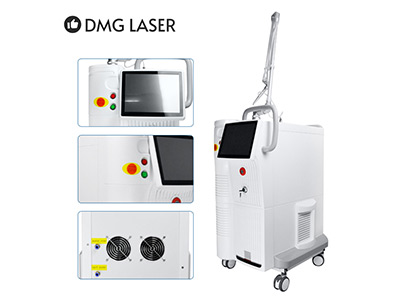
For ultimate laser precision, professional portable picosecond systems utilize imported seven-jointed articulated arms—typically sourced from South Korean manufacturers known for precision optics engineering. These lightweight, flexible, and ergonomically designed arms allow operators to provide efficient, precise, and comfortable treatments.
Key design features include:
360° rotatable joints that reduce energy loss and enhance ease of use
Long service life through high-quality construction
Adjustable spot size from 2mm to 10mm, improving work efficiency across different treatment areas
The 360° rotatable joint is particularly significant: it reduces energy loss that would otherwise occur through fixed-position light guides, ensuring that the full therapeutic energy reaches the treatment site.
The ability to adjust spot size from 2mm to 10mm enables practitioners to match the treatment to the specific clinical requirement. Smaller spot sizes (2–3mm) provide the precision needed for delicate areas such as the periorbital region or individual moles. Larger spot sizes (8–10mm) increase treatment efficiency for larger tattoos or broader pigmentation, reducing overall treatment time and improving patient throughput.
Professional portable picosecond systems deliver energy outputs that rival stationary units. High energy levels—up to 10 times the energy of conventional wavelengths—can reduce tattoo removal times by 40% or more. This combination of high energy and short pulse duration enables effective treatment of even the most stubborn pigments.
Advanced portable picosecond systems incorporate intelligent safety features that protect both patient and practitioner. If the ratio between energy and frequency does not meet the safe output energy density, the system automatically adjusts to a safe state. This prevents accidental overtreatment and ensures that clinical parameters remain within safe therapeutic ranges.
The portable laser beauty devices market is expected to grow from $2.3 billion in 2025 to $4.8 billion by 2035, representing a compound annual growth rate of approximately 7.5%. The aesthetic YAG laser machine market—which includes picosecond systems—is projected to grow from $1.6 billion in 2025 to $4.5 billion by 2035 at a CAGR of 10.6%.
This growth is driven by several factors:
Increasing consumer demand for non-invasive aesthetic treatments
Rising acceptance of tattoo removal as a standard service offering
Expanding clinical indications for picosecond technology
The practical advantages of portable systems for multi-location clinics
For clinics and distributors, the ROI case for portable picosecond systems is compelling:
Operational Efficiency: The combination of high energy output, adjustable spot sizes, and minimal consumable requirements means that each treatment session delivers maximum clinical value with minimal ongoing costs.
Service Expansion: A single portable picosecond platform enables clinics to offer tattoo removal, pigmentation treatment, skin rejuvenation, and acne scar revision—diversifying revenue streams from a single capital investment.
Patient Attraction: Picosecond laser technology is a flagship treatment that builds trust and attracts new clients. The visible results achieved in just one or two treatments create powerful word-of-mouth marketing.
Mobility Advantage: The portable form factor allows clinics to move the system between treatment rooms, offer services at satellite locations, or even provide mobile aesthetic services—maximizing equipment utilization and revenue generation.
Professional portable picosecond systems from established manufacturers come with comprehensive training and support. This includes operator training, treatment protocols, and ongoing technical support—ensuring that practitioners can confidently deliver optimal clinical outcomes from day one.
The clinical efficacy of picosecond laser technology is well-documented in peer-reviewed literature. Prospective studies have demonstrated that picosecond 755nm alexandrite lasers with diffractive lens arrays are highly effective and safe for the treatment of wrinkles and other signs of photoaging.
Research has also shown that picosecond lasers of various wavelengths have proven efficacy in tattoo removal, with the ultra-short pulse duration enabling more effective fragmentation of ink particles than traditional nanosecond systems.
Intravital visualization studies have demonstrated that the transepidermal clearance of tattoo particles following picosecond laser treatment can extend over several months, confirming the durable nature of treatment outcomes.
The portable picosecond laser represents the convergence of advanced laser physics, engineering excellence, and practical clinical utility. By combining the photoacoustic mechanism that defines picosecond technology with the mobility advantages of a compact form factor, these systems enable clinics of all sizes to offer state-of-the-art aesthetic treatments.
For clinic owners, the business case is clear: a single portable picosecond platform can deliver tattoo removal, pigmentation treatment, skin rejuvenation, and textural improvement—all from a system that can be moved where it's needed most. For patients, the benefits are equally compelling: effective treatment with minimal downtime and reduced risk of adverse effects.
If you are a clinic owner, medspa operator, dermatologist, or beauty equipment distributor looking to invest in a professional portable picosecond laser system, we are here to help.
Our portable picosecond laser systems offer:
Contact us today on Whatsapp: +86 19937136112
Our team is ready to answer your questions, provide product recommendations, and offer a customized quote based on your business needs. Let us help you bring portable picosecond technology to your clinic.