FAQ
Blog&News

The Body Contouring Trap: Why Most Clinics Are Missing 40% of Their Revenue

2026-08-05
The Growing Market — and the 40% Blind Spot
The global non-invasive body contouring market is currently experiencing rapid growth. The global body contouring devices market was valued at approximately $1.97 billion in 2025** and is projected to reach **$5.28 billion by 2034, growing at a compound annual growth rate (CAGR) of 11.6%. From a broader perspective, the global body contouring market reached approximately $9.4 billion in 2025** and is expected to grow to **$15 billion by 2034. That is not a modest trend. It is one of the fastest-growing segments in aesthetic medicine.
North America dominated the non-invasive body contouring market with a share of approximately 42% in 2025, while the Asia-Pacific region is emerging as the fastest-growing market. Key drivers of this growth include increasing consumer awareness of body aesthetics, rising rates of cosmetic surgical procedures, and growing demand for non-invasive treatments.
Walk into any medspa that has been open for more than two years, and you will likely see a fat-freezing machine in the corner. It has become a standard piece of equipment — almost as common as a treatment bed. Clinics bought them. Patients booked them. And for a while, the economics worked well.
But here is the problem that most clinic owners are only now beginning to notice:
The same patients who came for fat reduction are now asking for something different.
They no longer want to just lose inches. They want to see definition. They want muscle tone. They want a lifted appearance — not just a flatter one. And this shift in patient expectation has left many clinics with a significant gap in their service offering.

What Patients Actually Want in 2026
Fat freezing does one thing well: it reduces the number of fat cells in a treated area. It does not build muscle. It does not lift tissue. It does not improve muscle definition. For patients who are already at a stable weight but have stubborn pockets of fat, fat freezing remains an effective solution.
But that is not the only profile walking through the door anymore.
A growing segment of patients — particularly those who are already active, already at a healthy weight, and already engaged in fitness — are looking for something different. They want to address the "last mile" of their physique: the definition that exercise alone cannot achieve, the lift that diet cannot provide, the abdominal tone that remains elusive despite consistent gym attendance.
These patients are not candidates for fat freezing alone. They need muscle stimulation.
This is not a theoretical observation. Clinical data supports the shift. A scientific review published in the Annals of Plastic Surgery evaluated outcomes for HIFEM technology and found that all publications documented a significant treatment effect — both in reducing fat and increasing muscle — with almost no adverse effects.
Specifically, HIFEM (High-Intensity Focused Electromagnetic) technology induces supramaximal muscle contractions that produce significant muscle hypertrophy and fat reduction. In a clinical case series involving 13 participants from Hong Kong, the rectus abdominis muscle showed a mean increase of 26.2% at 3 months post-treatment, with a 34.0% decrease in subcutaneous fat. 100% of the subjects were satisfied with their results.
Additional studies have demonstrated that HIFEM technology can achieve a 12.8% reduction in arm fat thickness and a 9.9% reduction in calf fat thickness. In postpartum women, MRI studies confirmed 17.6% fat reduction, 21.7% muscle increase, and 23.2% reduction in rectus diastasis — all without significant changes in body weight.
These are not modest figures. And they explain why patients who have already done fat freezing are now returning to ask: "Can you do something about the definition? Can you lift this area? Can you help me look toned, not just smaller?"

The Missed Opportunity for Clinics
Here is where the economics become worth examining.
Fat freezing treatments are typically priced per area. A clinic may charge $500–$800 per session for the abdomen, and most patients complete 1–3 sessions. That is a revenue stream, but it is not a recurring one. Once the fat is reduced, the patient usually does not return unless another area becomes a concern.
EMS treatments, on the other hand, operate on a different model. Patients require 4 sessions scheduled 2–3 days apart. Each session is 30 minutes. The pricing structure is typically per package. Patients return for the full course and often return for maintenance sessions afterward. This creates a predictable, repeatable revenue cycle.
More importantly, EMS attracts a different demographic — and a larger one.
Clinics offering EMS often report that approximately 30–40% of their patients are male. In clinics that offer only fat freezing, the male demographic typically accounts for around 10–15% of the patient base. That is a significant 25%+ market share gap. Not offering EMS means leaving the fastest-growing body contouring demographic untapped. Male patients spend more per session and are more likely to purchase packages.

Fat Freezing vs EMS: A Technical Comparison
To understand the opportunity more clearly, it's worth comparing these two technologies across several dimensions:
Factor Fat Freezing (Cryolipolysis) EMS (HIFEM Technology)
Primary Mechanism Controlled cooling destroys fat cells Electromagnetic energy triggers supramaximal muscle contractions
Primary Effect Fat reduction only Muscle building + fat burning simultaneously
Muscle Impact No effect on muscle 16–25% increase in muscle mass
Treatment Outcome Permanent fat cell reduction Muscle volume increase + local fat metabolism acceleration
Male Patient Share ~10–15% ~30–40%
Session Time 35–60 minutes per area 30 minutes per area
Typical Course 1–3 sessions per area 4 sessions, 2–3 days apart
Visible Results 2–3 months (optimal) 2–4 weeks
Maintenance Usually not required Recommended maintenance sessions
Best For Stubborn pinchable fat at stable weight Definition, tone, and core strength in normal-weight patients
These two technologies are not competitive — they are highly complementary. A patient may need fat freezing to address fat volume and EMS to address muscle definition. This is precisely why an increasing number of clinics are now offering both services.

Fat Freezing vs EMS: Cost and Profitability Analysis
From a clinic business perspective, the economic models of these two technologies also differ significantly:
Equipment Investment:
  • Fat Freezing: Typically $15,000–$30,000, with premium systems reaching $50,000+
  • EMS: Typically $10,000–$25,000 — comparable to or lower than fat freezing
Consumable Costs:
  • Fat Freezing: Each treatment consumes single-use applicators or gel pads
  • EMS: Zero consumables — no ongoing consumable costs, every treatment is pure profit
Revenue Per Session:
  • Fat Freezing: $500–$800 per area
  • EMS: $400–$600 per session, but typically sold as a 4-session package
Customer Lifetime Value:
  • Fat Freezing: After 1–3 sessions, clients typically do not return
  • EMS: 4 initial sessions + 1–2 maintenance sessions per year — significantly higher customer lifetime value
The data shows that while EMS may have a slightly lower per-session fee, it generates stronger long-term profitability through package sales, zero consumable costs, and a recurring maintenance revenue model.

The Solution: A Combined Approach
So what does this mean for a clinic that already owns a fat-freezing machine?
It does not mean abandoning fat freezing. It means adding a complementary capability that addresses the gap in the current offering. A patient who comes in for fat freezing on the abdomen can be offered a course of muscle stimulation to follow — or even to complement the treatment, depending on the protocol.
In fact, combined cryolipolysis and electromagnetic muscle stimulation therapy has been clinically proven to be safe and effective. A feasibility study found that multimodal treatment combining cryolipolysis and electromagnetic muscle stimulation is safe and demonstrated enhanced body contouring results. Another study confirmed that EMS does not damage fat cells, meaning the two technologies can be safely combined without interference.
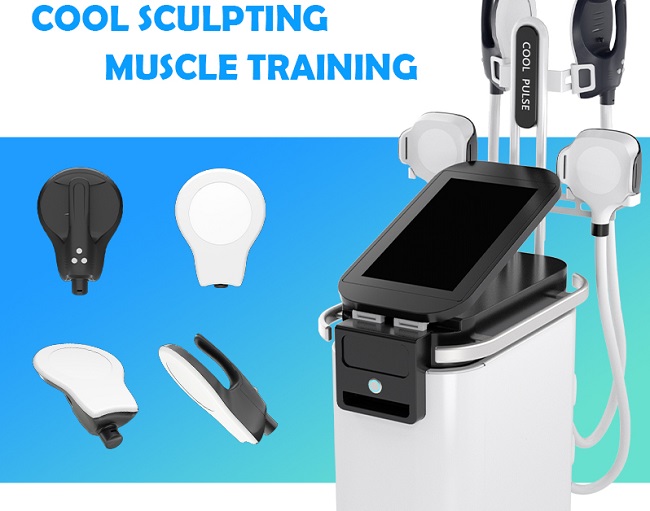
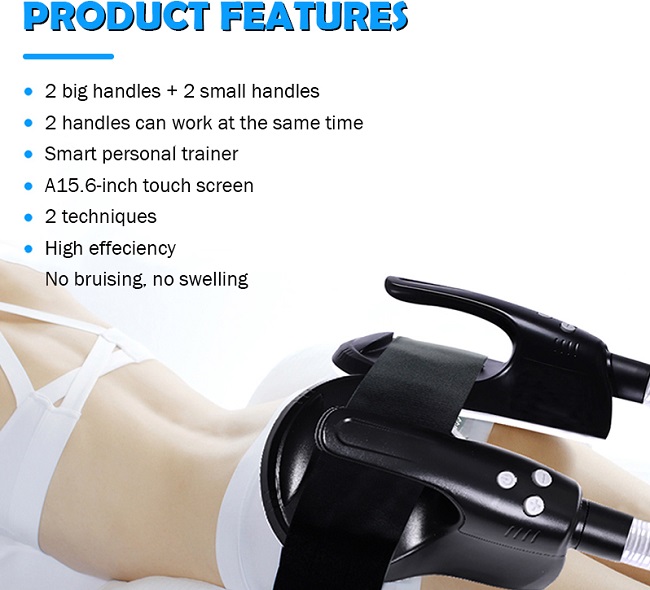
This is the rationale behind the EMS Cool Sculpting Machine: a 2‑in‑1 platform that combines fat freezing and HIFEM muscle stimulation in a single device. A patient walks in for fat reduction and walks out with muscle definition. One consultation. One machine. Two outcomes.

Why Now Is the Right Time to Upgrade
  1. Patient expectations have changed. Today's patients don't just want to be "smaller" — they want to be "more defined." They want visible changes in the mirror, not just on the scale.
  2. The male market is growing rapidly. Offering EMS services helps clinics attract this fast-growing but underserved demographic.
  3. Competition is intensifying. Clinics that offer only fat freezing are facing increasing price pressure. Adding EMS services helps differentiate the practice and avoid price wars.
  4. The technology is proven. The clinical evidence for HIFEM technology is now well-established. HIFEM technology promotes the development of new muscle fibers by stimulating satellite cells and induces apoptosis in fat cells — a mechanism validated by multiple peer-reviewed publications.
  5. The ROI is compelling. Zero consumables, premium per-session revenue, and a repeatable package model mean EMS equipment typically pays for itself in 3–6 months.

Conclusion
The opportunity in body contouring is not just about reducing fat anymore. It is about building muscle, defining shape, and delivering results that patients can see and feel — not just on a scale, but in the mirror.
In this rapidly growing industry, clinics that offer both fat reduction and muscle building will have a clear competitive advantage. They will capture a larger demographic, generate higher revenue per patient, and build a more sustainable business model.
The EMS Cool Sculpting Machine is designed for clinics that want to capture that opportunity.

About Our EMS Cool Sculpting Machine
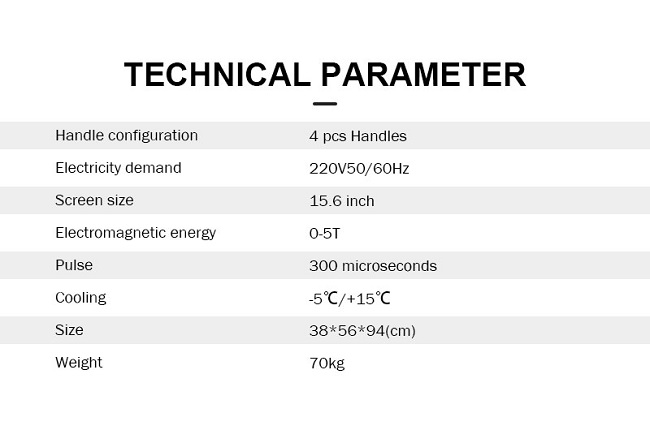
Our EMS Cool Sculpting Machine integrates cryolipolysis and HIFEM technology into a single platform with the following core advantages:
✅ Dual-Modality Platform — Cryolipolysis + HIFEM muscle stimulation, two functions in one machine
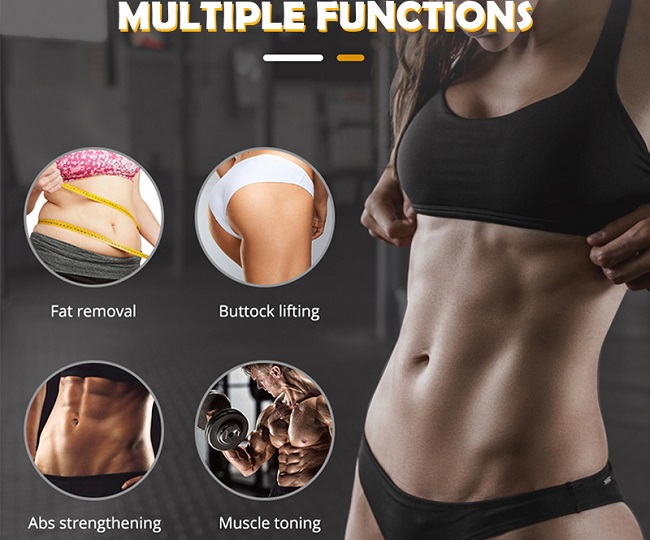
✅ Builds Muscle & Burns Fat Simultaneously — Clinical studies show HIFEM technology achieves 16–25% muscle mass increase and up to 30% fat reduction
✅ Non-Invasive Buttock Lifting — World's first non-invasive buttock lifting technology
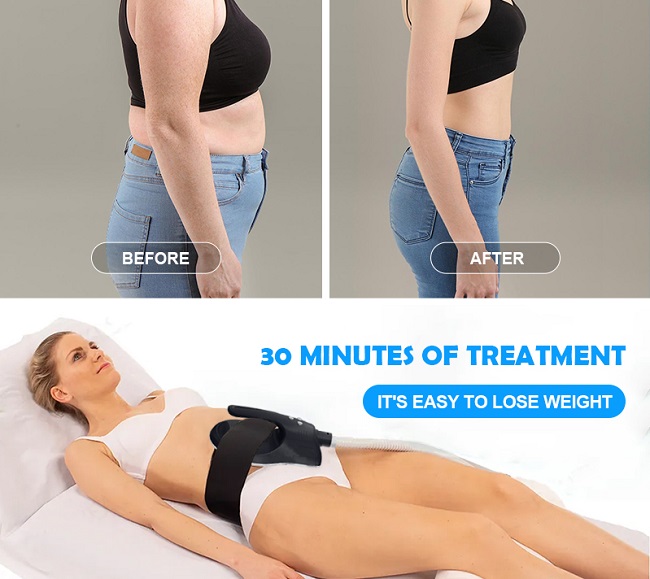
✅ Only 4 Sessions Needed — 30 minutes per session, 2–3 days apart
✅ Zero Downtime — Walk-in, walk-out; clients resume normal activities immediately
✅ Zero Consumables — No ongoing operating costs; every treatment is pure profit
✅ Suitable for All Skin Types — HIFEM technology is not chromophore-dependent, 100% safe for all skin types
✅ CE Certified — Quality assured for professional clinical use
✅ 2‑Year Warranty + Lifetime Technical Support
✅ OEM/ODM Customization Available

Contact us today on Whatsapp: +86 19937136112
We can discuss your current service offerings, your patient demographic, and whether this system is the right fit for your practice. No hard sell. Just a conversation about what works.

 
Related Products
How can we help?
Get in touch with us today for any service. We will reply you within 2 hours