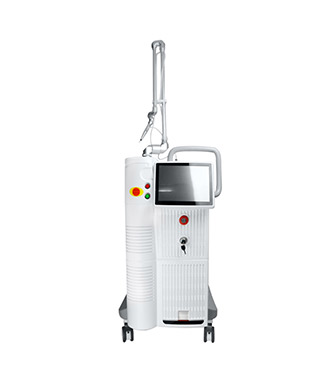
In the rapidly advancing field of aesthetic dermatology, few technologies have made as profound an impact as the CO₂ fractional laser machine. This innovative device has fundamentally changed how medical professionals approach skin resurfacing, scar revision, and age-related skin concerns【0†L1-L3】. By combining the power of traditional CO₂ laser technology with advanced fractional delivery systems, these machines offer a level of precision and safety that was previously unattainable.
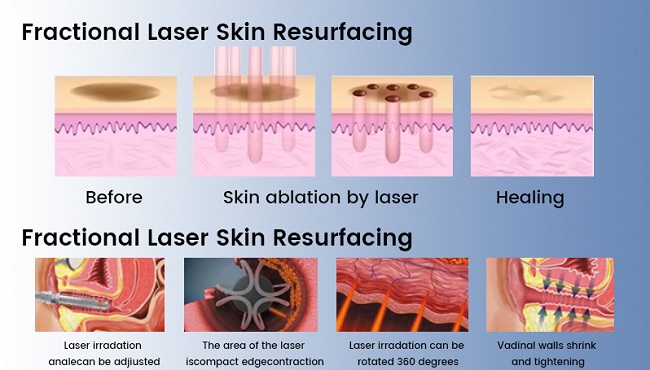
The fractional CO₂ laser operates at a wavelength of 10,600 nm, which is strongly absorbed by water molecules in skin tissue. This specific wavelength allows the laser to precisely target and vaporize damaged skin cells while stimulating the body's natural healing response. Unlike traditional fully ablative CO₂ lasers that treat the entire skin surface in a continuous pass, fractional technology delivers laser energy in a grid of microscopic columns, creating what are known as microthermal treatment zones (MTZs).
The surrounding untreated skin tissue between these micro-columns serves as a reservoir for rapid healing, dramatically reducing downtime and complication rates. This fundamental advancement has made fractional CO₂ laser resurfacing one of the most sought-after treatments in modern aesthetic medicine.
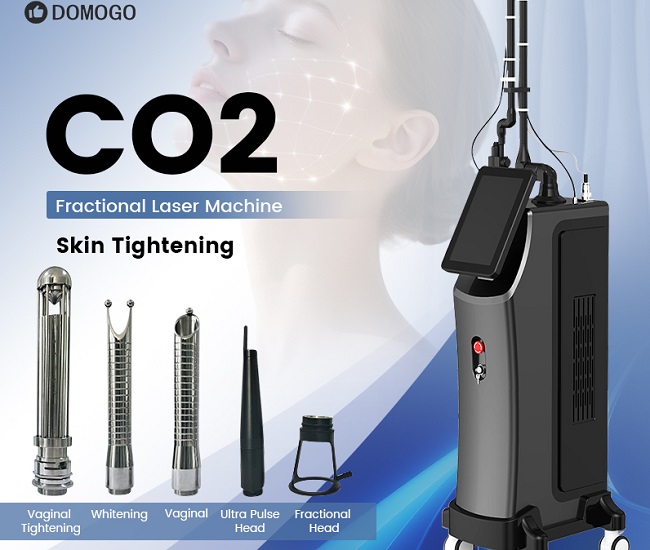
The CO₂ laser emits an invisible infrared beam at 10,600 nm, a wavelength that is highly absorbed by both intracellular and extracellular water in the skin【0†L2-L4】. When this energy is delivered to the skin, it rapidly heats the water molecules to their boiling point, causing them to vaporize. This process, known as ablation, removes the targeted tissue while creating a surrounding zone of thermal coagulation.
The thermal coagulation zone is equally important as the ablation itself. This area of controlled heat damage triggers a cascade of biological responses, including the contraction of existing collagen fibers and the activation of fibroblasts to produce new collagen and elastin. This dual action—immediate tissue tightening followed by long-term collagen remodeling—is what makes fractional CO₂ laser so effective for both skin rejuvenation and scar revision【0†L5-L7】.
The concept of fractional photothermolysis, introduced in the early 2000s, revolutionized laser skin resurfacing. Rather than treating the entire skin surface, fractional technology creates thousands of microscopic treatment zones, each surrounded by healthy, untreated tissue【0†L9-L11】.
This approach offers several critical advantages:
Faster Healing: The islands of untreated skin between MTZs provide a source of viable cells that rapidly migrate into the treated areas, accelerating re-epithelialization.
Reduced Side Effects: Because only a fraction of the skin is treated in each session, the risk of complications such as prolonged erythema, infection, and scarring is significantly lower compared to fully ablative systems.
Versatile Treatment Options: Fractional systems can be adjusted to deliver anything from gentle surface treatments to deep resurfacing, allowing practitioners to customize the procedure for each patient's specific needs.
Fractional CO₂ laser is widely considered the gold standard for treating various types of scars, particularly atrophic acne scars【0†L13-L15】. Clinical studies have demonstrated that patients typically experience 30% to 70% improvement in scar appearance following fractional CO₂ laser therapy【0†L16-L18】.
Acne Scars: The laser's ability to precisely target scar tissue while stimulating new collagen production makes it exceptionally effective for treating ice-pick, boxcar, and rolling acne scars【0†L19-L21】. The treatment breaks down abnormal collagen fibers and promotes the growth of healthy new skin cells, resulting in smoother, more even-toned skin over time【0†L22-L24】.
Surgical and Trauma Scars: Fractional CO₂ laser has also shown excellent results in improving the appearance of surgical scars and burn scars. Early intervention with CO₂ ablative fractional laser has been found to improve the appearance of surgical scars, making it a valuable tool for post-surgical care【0†L25-L27】.
Middle Eastern and Darker Skin Types: Recent studies have demonstrated that fractional CO₂ laser can effectively treat acne scars in Middle Eastern populations with minimal pigmentary side effects【0†L28-L30】. The ability to customize treatment parameters makes it suitable for a wide range of skin types, including Fitzpatrick skin types III–VI.
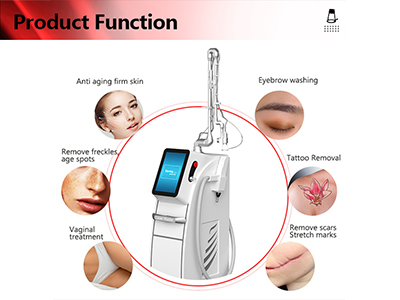
Fractional CO₂ laser is one of the most effective non-surgical treatments for addressing the visible signs of aging【0†L32-L34】.
Fine Lines and Wrinkles: The laser's deep penetration into the dermis stimulates collagen production, which helps to tighten the skin and reduce the appearance of fine lines and wrinkles【0†L35-L37】. Periorbital and perioral wrinkles respond particularly well to treatment.
Skin Laxity: By heating the dermal layer and stimulating neocollagenesis, fractional CO₂ laser effectively tightens loose skin on the face, neck, chest, and other areas【0†L38-L40】. The immediate collagen contraction provides visible tightening, while ongoing collagen remodeling continues to improve results for months after treatment.
Improved Skin Texture: The laser vaporizes damaged surface cells, unclogs pores, and stimulates the growth of new, healthy skin cells【0†L41-L43】. This results in smoother, more refined skin texture and a more radiant complexion.
Fractional CO₂ laser can effectively address various pigmentation concerns, including sun damage, age spots, and post-inflammatory hyperpigmentation【0†L45-L47】. The precise delivery of laser energy allows for targeted treatment of pigmented lesions while leaving surrounding skin intact.
Beyond aesthetic applications, fractional CO₂ laser has demonstrated efficacy in treating:
Stretch Marks (Striae Distensae): The laser's ability to remodel collagen makes it effective for improving the appearance of stretch marks.
Vaginal Rejuvenation: Some fractional CO₂ systems are used for gynecological applications, including vaginal rejuvenation and treatment of genitourinary syndrome of menopause【0†L49-L51】.
Actinic Keratoses and Pre-cancerous Lesions: The laser can effectively remove sun-damaged skin and pre-cancerous lesions.
.jpg)
The fractional delivery system allows for unprecedented precision in targeting specific skin concerns while minimizing damage to healthy tissue【0†L53-L55】. This precision translates directly to improved safety profiles and reduced complication rates【0†L56-L58】.
Perhaps the most significant advantage of fractional CO₂ laser over traditional fully ablative systems is the dramatically reduced recovery time【0†L60-L62】. While full-field CO₂ resurfacing typically requires 10–14 days of open-wound healing followed by weeks of erythema, fractional treatments usually involve only 5–14 days of downtime, depending on treatment intensity【0†L63-L65】.
Modern fractional CO₂ systems offer adjustable treatment parameters, including depth of penetration, energy level, and density of micro-beams【0†L67-L69】. This flexibility allows practitioners to tailor each treatment to the patient's specific skin type, concerns, and tolerance for downtime【0†L70-L72】.
Fractional CO₂ laser can be effectively combined with other treatments for enhanced results【0†L74-L76】. Common combination approaches include:
Fractional CO₂ + PRP (Platelet-Rich Plasma) for accelerated healing and enhanced collagen stimulation【0†L77-L78】
Fractional CO₂ + Radiofrequency for synergistic tightening and resurfacing【0†L79-L80】
Fractional CO₂ + Topical Growth Factors for optimized tissue regeneration and improved outcomes【0†L81-L82】
.jpg)
A typical fractional CO₂ laser session begins with the application of a topical anesthetic to the treatment area, which takes approximately 30–60 minutes to take effect. The actual laser treatment usually lasts 20–45 minutes for a full face, depending on the size of the treatment area and the aggressiveness of the settings.
Most patients describe the sensation during treatment as a series of mild pinpricks or a warm, prickling feeling. The integrated cooling systems in modern devices help minimize discomfort throughout the procedure.
.jpg)
Sun protection is the highest priority during the recovery period. Patients should avoid outdoor activities during peak UV hours and use physical sun protection (hats, masks, sunscreen with SPF 50+) consistently for at least three months post-treatment【0†L89-L91】.
Patients should also avoid skincare products containing alcohol, acids, or strong active ingredients during the healing phase. Continuing to moisturize and support barrier repair is essential for helping new skin adapt to the external environment【0†L93-L95】.
Laser Source Type: RF metal tube technology offers longer lifespan (15,000–20,000+ hours) and more stable energy output compared to glass tube alternatives【0†L97-L99】. This translates to more consistent clinical results and lower long-term maintenance costs【0†L100-L102】.
Power Output: Professional-grade systems typically offer 30–60 W output, with 40 W being the clinical standard.
Pulse Width Range: A wider pulse width range (0.1–10 ms) provides greater clinical flexibility for different treatment applications【0†L104-L106】.
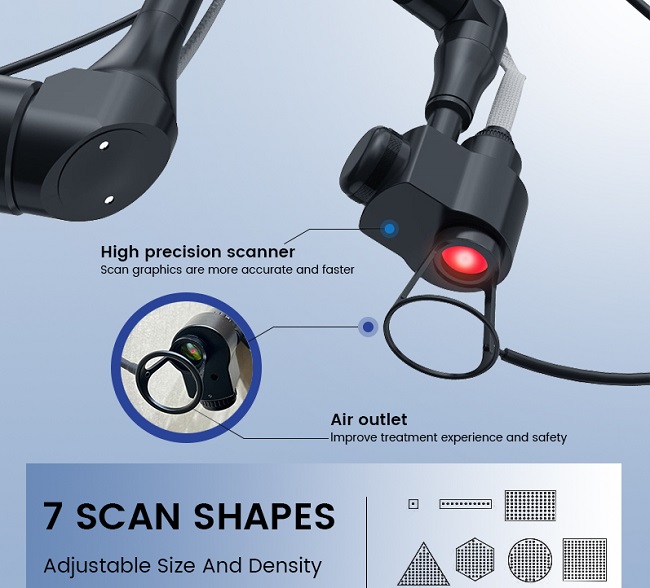
Scanning System: Galvo-based systems with randomized scanning patterns offer more even energy distribution and improved safety profiles【0†L108-L110】.
Cooling System: Integrated sapphire contact cooling (0°C to +5°C) protects the epidermis during treatment, reducing patient discomfort and minimizing the risk of burns【0†L112-L114】.
For the US market, FDA 510(k) clearance is essential. For European markets, CE marking is required【0†L116-L118】. Before purchasing, buyers should confirm that the device is cleared for the specific indications they intend to treat and verify all documentation【0†L119-L121】.
The global aesthetic laser market continues to expand rapidly. Fractional CO₂ procedures are an established, safe, and effective treatment option for managing skin rejuvenation and scarring【0†L123-L125】. For clinics, investing in a high-quality fractional CO₂ system offers excellent return on investment, with the ability to command premium pricing for these in-demand services【0†L126-L128】.
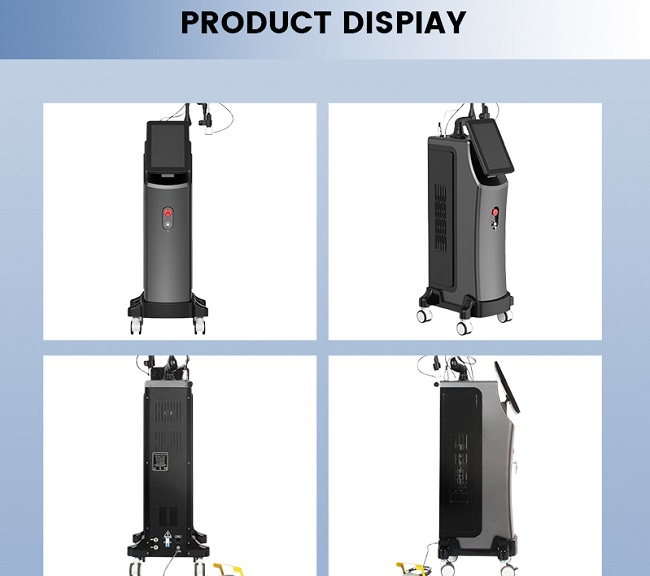
Fractional CO₂ laser technology represents one of the most significant advancements in aesthetic dermatology. Its ability to effectively treat a wide range of skin concerns—from acne scars and surgical scars to fine lines, wrinkles, and pigmentation disorders—combined with its precision, versatility, and safety features, makes it an invaluable tool for modern medical practices【0†L130-L134】.
As technology continues to evolve, with developments such as faster scanning modes and improved safety profiles, fractional CO₂ laser is likely to remain at the forefront of skin rejuvenation and repair【0†L136-L138】. For clinic owners and medical professionals, investing in this technology represents not only a commitment to offering the best possible care for patients but also a strategic business decision that can drive significant practice growth【0†L139-L141】.
If you are a clinic owner, medspa operator, dermatologist, or beauty equipment distributor looking to invest in high-performance fractional CO₂ laser technology, we are here to help.
Our fractional CO₂ laser systems offer:
Contact us today on Whatsapp: +86 19937136112
Our team is ready to answer your questions, provide product recommendations, and offer a customized quote based on your business needs. Let us help you bring advanced fractional CO₂ laser technology to your market.
.jpg)


.jpg)
.jpg)
.jpg)
.jpg)
.jpg)