FAQ
Blog&News

Diode Laser Hair Removal Machine: The Definitive Clinical & Business Guide for 2026

2026-07-10
Introduction
The global aesthetic laser market continues its remarkable expansion, with the portable diode laser hair removal machines segment alone valued at USD 463.52 million in 2025 and projected to reach USD 793.95 million by 2032, growing at a CAGR of 7.99%. The broader laser hair removal beauty apparatus market is even more impressive, valued at USD 603.67 million in 2025 and forecasted to reach USD 1.09 billion by 2032 at a CAGR of 8.81%. By laser type, diode lasers captured 34.45% of revenue in 2025, firmly establishing themselves as the dominant technology in the professional hair removal space.
This growth reflects an undeniable shift in consumer behavior. Today's clients are tired of the endless cycle of shaving, waxing, and plucking — they demand permanent, long-lasting results that free them from constant maintenance. Diode laser technology has emerged as the gold standard for achieving these results, combining clinical efficacy with patient comfort and practice profitability.
This comprehensive guide explores everything clinics and distributors need to know about diode laser hair removal machines: the underlying science, clinical protocols, business economics, and what to look for when investing in this essential aesthetic equipment.

Understanding Diode Laser Technology: How It Works
The Principle of Selective Photothermolysis
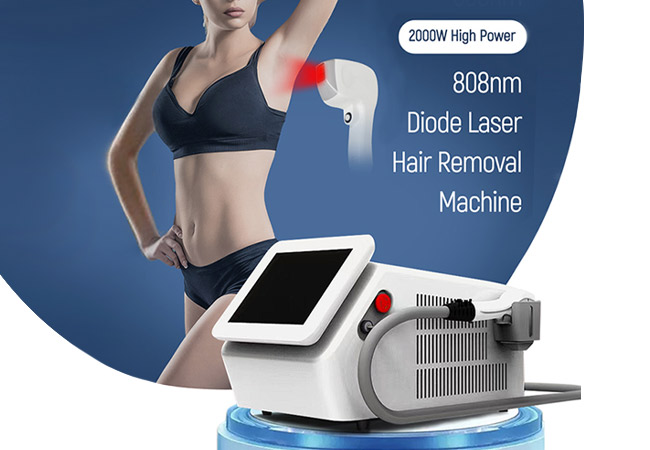
At the core of every diode laser hair removal machine lies the principle of selective photothermolysis — the precise targeting of melanin in the hair follicle while sparing the surrounding tissue. When the laser emits energy at the optimal wavelength, it is preferentially absorbed by the pigment in the hair shaft and follicle. This energy converts to heat, raising the temperature of the follicle to the point of irreversible thermal damage (typically 70–80°C) while the surrounding dermis, which contains far less melanin, remains unaffected.
Why 808nm Is the Gold Standard
The 808nm wavelength sits within the "optical window" where melanin absorption is high but competition from other chromophores like hemoglobin and water is minimized. This creates an ideal balance of potency and safety:
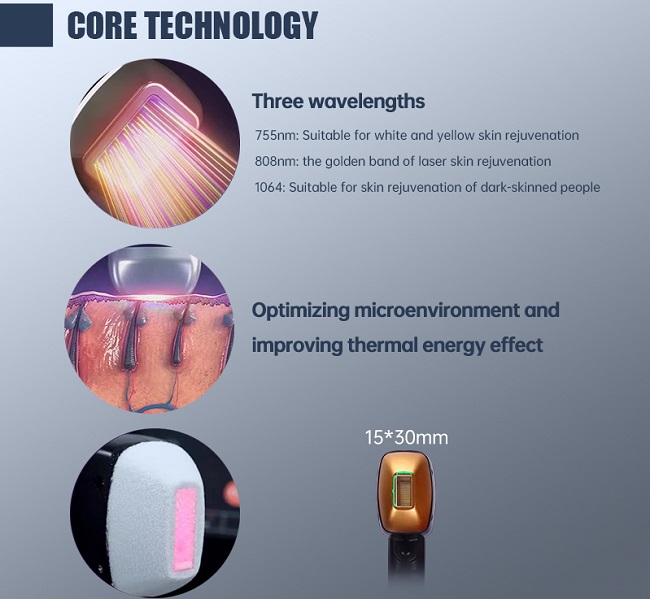
  • 755nm (Alexandrite): High melanin absorption, shallow penetration — ideal for fine, light-colored hairs on Fitzpatrick skin types I–III
  • 808nm (Diode): The gold standard — balanced absorption and deep penetration for Fitzpatrick types I–IV
  • 1064nm (Nd:YAG): Lowest melanin absorption, deepest penetration — safe for Fitzpatrick types IV–VI and tanned skin
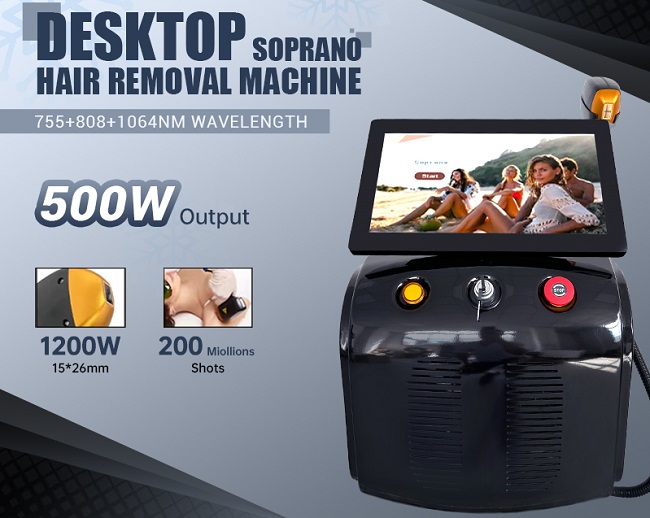
Professional clinics increasingly prefer triple-wavelength systems (755nm + 808nm + 1064nm) because they treat the full Fitzpatrick scale (Skin Types I–VI) safely and effectively. This eliminates the patient exclusions that limit single-wavelength devices, expanding the clinic's addressable market by up to 40%.
Clinical Evidence: Safety Across All Skin Types
A landmark 2025 clinical study published in Lasers in Medical Science evaluated 808nm diode laser hair reduction in Sudanese women with Fitzpatrick skin types IV–VI — a population traditionally considered high-risk for laser complications. Using parameters of 20W power, 12mm spot size, 8–9 J/cm² fluence, and 36ms pulse width, the study achieved a mean hair reduction of 57.9% in the underarm group and 56.7% in the chin group after just three sessions. Importantly, no cases of keloid formation, scarring, wound infection, prolonged erythema, purpura, or pigmentary changes were observed. All patients (100%) reported satisfaction with the treatment and would recommend the procedure.
Additional clinical research confirms that diode and Nd:YAG lasers demonstrate superior hair reduction on darker skin with fewer reported side effects compared to Alexandrite lasers. A meta-analysis of 10 randomized controlled trials involving Asian participants (Fitzpatrick III–V) found significant hair reduction across all laser systems and confirmed that diode lasers are both effective and safe for Asian skin types.

Diode Laser vs. IPL: A Critical Distinction for Clinics
Many clinics and consumers confuse diode lasers with IPL (Intense Pulsed Light) systems, but the differences are substantial and directly impact clinical outcomes and business economics.
Feature Diode Laser IPL System
Energy type Single, coherent wavelength Broad spectrum (500–1200nm)
Precision High — targets melanin specifically Low — scattered energy affects multiple chromophores
Skin type compatibility All Fitzpatrick I–VI Limited (I–IV, with caution)
Sessions required 4–6 for 80–90% reduction 6–10 for 60–80% reduction
Treatment speed Fast (up to 20Hz, large spot sizes) Slow (lower repetition rate)
Hair color efficacy Dark, light, fine — all with multi-wavelength Dark hair only; ineffective on blonde, red, gray
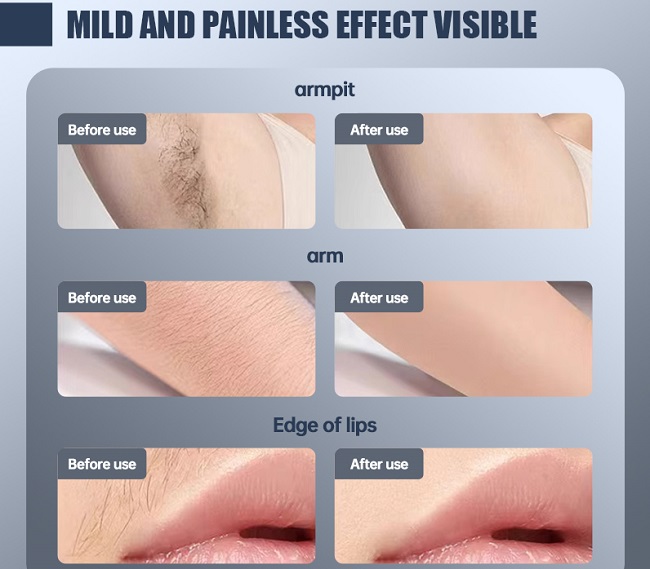
Diode lasers deliver more predictable long-term hair reduction, are safer across a wider range of skin types, and typically need fewer sessions for similar outcomes compared to IPL. For clinics, diode laser technology offers higher precision, broader skin compatibility, faster treatment time, and stronger long-term results.

Clinical Protocols: From Pre-Treatment to Long-Term Results
Pre-Treatment Assessment
Permanent results start long before the laser is turned on. A thorough consultation should assess each client's Fitzpatrick skin type, hair thickness and color, and medical history to identify contraindications. Patients should avoid sun exposure, tanning beds, and self-tanners for four weeks before treatment — excess melanin in the skin increases the risk of side effects. Shaving the treatment area 24–48 hours before the appointment removes surface hair so the laser can target the follicle beneath the skin.
Treatment Parameters by Skin Type
Fitzpatrick Type Wavelength Fluence (J/cm²) Pulse Width (ms) Spot Size (mm)
I–III 755nm / 808nm 10–25 5–30 10–15
III–V 808nm 18–35 10–50 12–15
IV–VI 1064nm 8–20 20–100 12–15
Understanding the Hair Growth Cycle
One of the most common questions from clients is why multiple sessions are needed. Hair grows in three cycles, and the diode laser only works on hair in the anagen (active growth) phase. At any given time, only 20–30% of hair is in the active growth cycle. The complete growth cycle varies from 4 to 12 months depending on body location — leg hair has a 1-year cycle, while facial hair has a 6-month cycle.
Most patients require 6 to 8 sessions, scheduled 4 to 6 weeks apart, to target all follicles as they enter the active phase. By the time a client completes their full series, they can expect 80–90% permanent hair reduction, with any remaining hair growing back finer, lighter, and sparser.
Post-Treatment Care
Proper aftercare is essential for optimal results and patient satisfaction:
  • Avoid hot showers, saunas, and strenuous exercise for 48 hours
  • Apply SPF 30+ broad-spectrum sunscreen daily for at least four weeks
  • Use gentle, fragrance-free skincare products on treated areas
  • Do not pick or scratch the treatment area

Business Value and ROI for Clinics
Why Diode Laser Is a Profitable Investment
Diode laser hair removal offers clinics one of the most compelling returns on investment in the aesthetic industry. Key drivers include:
Zero consumables — Unlike IPL systems that require replacement handpieces every 50,000–300,000 shots, high-quality diode laser systems can last over 20 million shots per handpiece. This dramatically reduces ongoing operating costs.
High patient throughput — With spot sizes of 12×12mm or larger and repetition rates of 3Hz or higher, diode lasers treat large areas quickly. A full leg treatment can be completed in under 20 minutes, allowing clinics to schedule more patients per day.
Repeat business — The 6–8 session treatment protocol creates a predictable revenue stream over several months, with ongoing maintenance sessions generating additional income.
Wider client base — Triple-wavelength systems treat all Fitzpatrick skin types, eliminating the patient exclusions that limit single-wavelength devices.
Pricing and ROI Estimates
Professional diode laser hair removal machines typically range from $4,000 to $15,000 for professional systems. With average treatment pricing of $150–$400 per session and 6–8 sessions per client, clinics typically recover their equipment investment within 6–10 months.

Choosing the Right Diode Laser Machine: A Buyer's Checklist
For clinic owners, medspa operators, and distributors, selecting the right diode laser system is one of the most consequential equipment decisions. Here's what to look for:
1. Wavelength Configuration
Triple-wavelength systems (755nm + 808nm + 1064nm) are considered the best choice for clinics serving diverse skin types. Avoid single-wavelength 808nm-only machines if you treat diverse demographics. Multi-wavelength diode lasers covering 755nm, 810nm, 940nm, and 1064nm provide the strongest first laser hair removal device — they treat all six Fitzpatrick skin types safely and effectively.
2. Cooling System
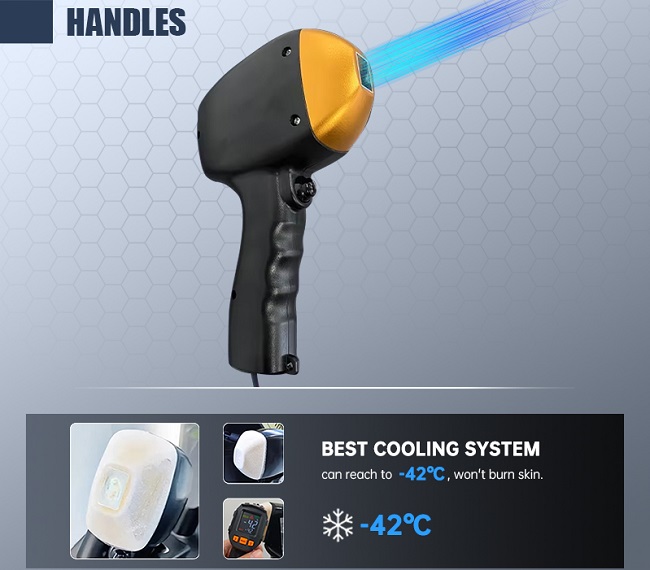
Thermal damage to the epidermis limits maximum usable fluence. High-end diode laser machines integrate Sapphire contact cooling (thermoelectric/TEC) with temperatures between -5°C and +5°C. Look for systems that provide real-time skin temperature monitoring and adjustable cooling levels. Without adequate cooling, clinics face higher rates of post-inflammatory hyperpigmentation (PIH) and patient drop-off.
3. Power and Fluence
Clinical-grade systems should deliver at least 35 J/cm² for deep follicles and offer a pulse width range of 10ms to 200ms for all Fitzpatrick types. High-power diode laser machines (1200W–3000W) allow faster treatment and better follicle destruction efficiency.
4. Regulatory Certifications
Verify Medical CE (MDR 2017/745), FDA 510(k), and ISO 13485 certifications. These ensure the device meets safety and quality standards for professional clinical use.
5. Manufacturer Support
When evaluating suppliers, check manufacturer experience (5+ years preferred), OEM/ODM support, clinical testing data availability, and after-sales service capabilities. Reliable manufacturers provide long-term technical support and global distributor protection.

Conclusion
Diode laser hair removal technology has revolutionized the aesthetic industry, offering clinics a proven, profitable, and patient-friendly solution for permanent hair reduction. With diode lasers capturing 34.45% of revenue in 2025 and the market continuing its double-digit growth trajectory, investing in professional-grade diode laser equipment is a strategic decision that positions clinics for long-term success.
The combination of triple-wavelength capability, advanced sapphire cooling, and high-power output enables clinics to treat the full spectrum of Fitzpatrick skin types safely and effectively. Clinical evidence from 2025 studies confirms that 808nm diode lasers achieve significant hair reduction with minimal side effects, even in traditionally high-risk darker skin types.
For distributors, diode laser hair removal machines represent one of the most stable and profitable choices in aesthetic equipment for 2026. The zero-consumable model, strong repeat business potential, and growing global demand create a compelling business opportunity.

Ready to Add Diode Laser Hair Removal to Your Clinic?
If you are a clinic owner, medspa operator, dermatologist, or beauty equipment distributor looking to invest in high-performance diode laser hair removal technology, we are here to help.
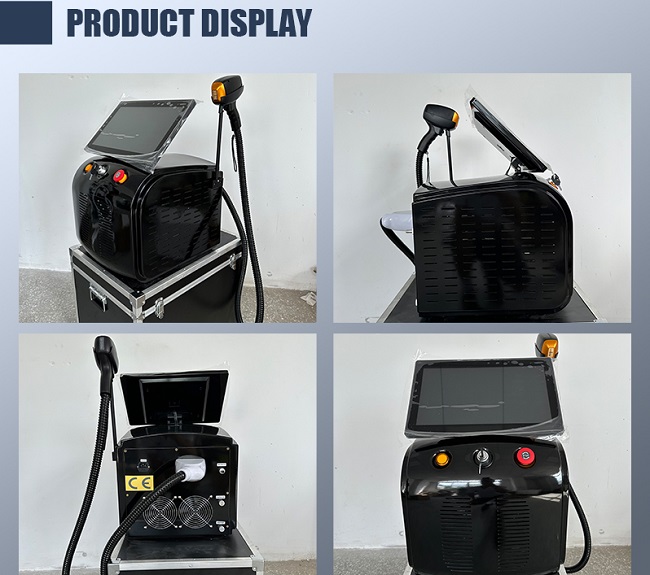
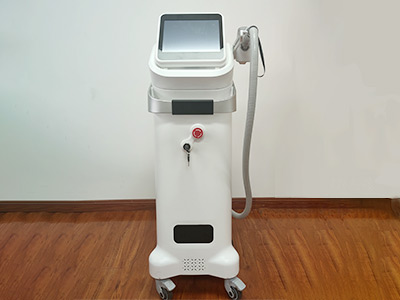
Our diode laser hair removal systems offer:
  • Triple-wavelength technology — 755nm + 808nm + 1064nm for all Fitzpatrick skin types (I–VI)
  • Advanced sapphire contact cooling — -5°C to +5°C for painless, safe treatments
  • High-power output — 1200W–3000W for fast, efficient treatments
  •  Large spot size — 12×12mm or larger for reduced treatment time
  • Zero consumables — 20+ million shots per handpiece for long-term profitability
  • Medical CE & ISO 13485 certified — quality assured for professional clinical use
  • OEM/ODM customization — build your own brand with our flexible manufacturing capabilities
  • Comprehensive training & support — technical training, treatment protocols, and after-sales service
Contact us today on Whatsapp: +86 19937136112
Our team is ready to answer your questions, provide product recommendations, and offer a customized quote based on your business needs. Let us help you bring professional diode laser hair removal technology to your market.
Related Products
How can we help?
Get in touch with us today for any service. We will reply you within 2 hours